
Do you want to know some of the most common tourist scams in Rome, Italy? This post will tell you what they are and how to avoid them.
Rome is a popular destination for tourists from all over the world, offering a wealth of historical and cultural attractions, world-renowned cuisine, and beautiful scenery.
Unfortunately, with the high number of tourists also comes a higher risk of scams and other forms of tourist traps. When it comes to these, the Italian capital is no different from New York, Paris, or London.
Scammers in Rome can be found in many tourist hotspots and can take advantage of unsuspecting visitors in a variety of ways, from overpriced goods to fake tickets to pickpocketing.
To help you avoid being scammed during your trip to Rome, we have put together this guide to the most common tourist scams in Rome and how to avoid them. By familiarizing yourself with these scams and taking steps to protect yourself, you can enjoy your trip to Rome with peace of mind.
8 Common Tourist Scams in Rome, Italy
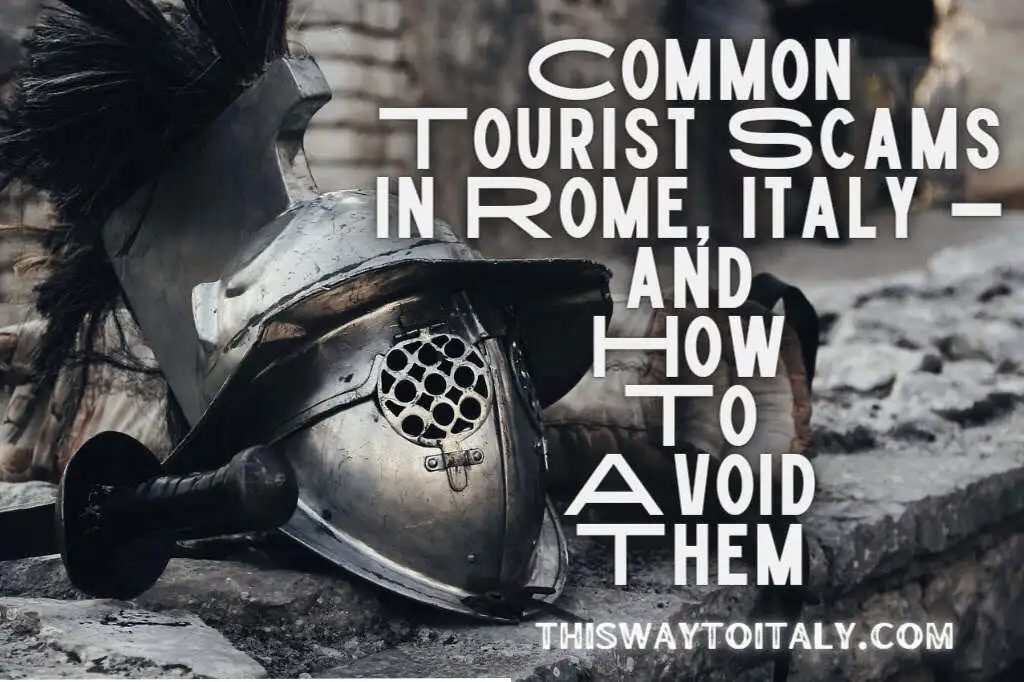
Rome, a top tourist spot, lures millions of visitors annually. Unfortunately, with so many tourists, there are also many scams and schemes aimed at taking advantage of unsuspecting visitors.
Discover 8 prevalent tourist scams in Rome and learn how to steer clear of them.
1. Street sellers

Counterfeit goods are a common form of street seller scam in Rome. Street vendors sell counterfeit designer items like bags, shades, and watches at unbelievable prices. You can spot them in famous tourist spots like the Colosseum, Trevi Fountain, and Spanish Steps.
To avoid falling for these scams, steer clear of street vendors, particularly those who approach you forcefully. Keep moving forward and pay no attention to them.
Be mindful of your possessions. Prevent theft by keeping your bags and personal belongings close to you at all times, as some vendors may use distraction techniques.
Beware of selfie sticks. Vendors can be pushy when it comes to selling selfie sticks, sometimes even tailing you until you give in and buy one. Decline their offers politely and leave.
Report suspicious activity or scams to the police immediately.
2. Fake petition

In Rome, a common scam involves someone approaching you on the street or in a public place and requesting your signature for a petition. Beware of petitions that seem to support a charity or political cause, as they may be fraudulent attempts to deceive you.
After signing the petition, the person will request a donation for their cause. Unfortunately, the money is probably lining the scammer’s pockets.
To avoid such scams, it’s wise to exercise caution and skepticism when approached by unfamiliar individuals requesting money or signatures. Don’t talk to them and don’t share any personal details or money.
To ensure the legitimacy of a petition, ask for the organization’s identification or research online before signing (make sure you have your phone on a lanyard).
Reporting suspicious activity to the authorities or local police is a wise move, as it enables them to investigate and take appropriate action.
3. Fake gladiators

Tourists in Rome are often targeted by the fake gladiator scam. Gladiator-clad individuals often approach tourists in bustling areas like the Colosseum or Roman Forum. They might request a picture of you or suggest taking a photo of you holding their weapon or shield. Once the picture is taken, they will insist on being paid for their work.
These gladiators lack official licensing and regulation. They may display aggression and confrontational behavior if payment is denied.
To avoid this scam, it’s best to steer clear of these fraudulent gladiators and not interact with them at all. In case of aggression or unreasonable demands for more money, it’s best to leave and contact the local authorities for assistance if needed.
Real gladiators in ancient Rome were skilled professionals who followed strict regulations regarding their attire and weaponry. Rome’s street gladiators of today are merely deceitful swindlers seeking to capitalize on unsuspecting tourists.
Stay vigilant while visiting crowded tourist spots and confidently decline any suspicious or threatening offers.
4. Fake tickets

Tourists in Rome are often targeted by scammers selling fake tickets to popular attractions like the Colosseum, Vatican Museums, and Sistine Chapel. Tourist scammers sell discounted attraction tickets by approaching visitors outside or nearby the attraction.
Beware of counterfeit tickets that may appear genuine but won’t get you into the attraction. Upon arrival at the entrance, the scammer will have absconded with your money, leaving you denied entry.
To avoid the scam, buy tickets only from authorized sources like the attraction’s website, ticket office, or authorized resellers. Beware of individuals selling tickets at a steep discount or vending them on the street.
If you end up with a fake ticket, avoid confronting the scammer. Report the incident to the authorities or local police to seek their assistance in obtaining a refund or taking legal action against the scammer.
To steer clear of this scam, always buy tickets from authorized sources and be wary of those peddling discounted or street-sold tickets.
• MUST-READ: 10 Best Free Museums in Rome, Italy
5. Fake currency

The Rome counterfeit currency scam is a fraudulent scheme that offers fake money. Tourist-targeting scammers may offer to exchange foreign currency for euros at a good rate in crowded places. The money they offer may turn out to be fake, catching you off guard only after the deal is done.
To avoid this scam, stick to authorized currency exchange offices or banks for money exchange. Beware of street money exchangers offering suspiciously favorable rates. Inspect the currency meticulously for any signs of tearing, damage, or suspicious markings.
Knowing the security features of euro bills, like watermarks, security threads, and holograms, can aid in detecting counterfeit bills. Report any counterfeit bills to the police or local authorities promptly.
To avoid falling for scams, stick to authorized currency exchange offices or banks when exchanging money. Beware of suspiciously low rates and scrutinize all currency received with care.
6. Fake taxi drivers

Tourists in Rome are often targeted by scammers who pretend to be taxi drivers and overcharge them. This is known as the fake taxi driver scam.
Fake taxi drivers target tourists at transportation hubs or popular tourist spots, luring them with offers of transportation to their desired location. The driver may choose to take a longer route, resulting in a higher fare.
Stick to authorized taxi services or ride-hailing apps like Uber or Lyft to avoid falling prey to this scam. Choose licensed taxis with a roof sign, meter, and license number on the side of the vehicle.
Don’t ride in unmarked or unlicensed vehicles. To ensure your safety while taking a taxi, you can either request the driver’s identification or seek help from a nearby hotel or tourist information desk.
To avoid any confusion, always agree on a fare and ensure that the meter is used when taking a taxi. If the driver doesn’t use the meter or demands a higher fare, it’s wise to leave the taxi and hail another one.
Stay safe from fake taxi driver scams in Rome by sticking to official taxi services or ride-hailing apps, being wary of unmarked or unlicensed taxis, agreeing on the fare beforehand, and making sure the meter is used to calculate the fare.
7. Friendship bracelets

Street vendors in Rome often use the friendship bracelet scam to deceive tourists. Vendors often approach you with a vibrant bracelet, offering it as a friendly gesture or token of camaraderie. After tying the bracelet, the vendor will ask for a payment, usually at a higher price.
Avoid street vendors selling friendship bracelets to avoid getting scammed. Decline their offer politely and continue walking. In case of persistence or aggression, it’s advisable to leave and get help from the authorities.
Beware of free offers, particularly in bustling tourist spots, as they may not be what they seem. Beware of free lunches and suspiciously good deals.
To steer clear of the friendship bracelet scam in Rome, refrain from interacting with street vendors peddling these trinkets. If a vendor ties a bracelet on your wrist without your consent, do not pay them. Contact the local authorities for help if needed.
8. Restaurant scams

Rome’s restaurant scams come in various forms. Be wary of common restaurant scams in Rome such as overpriced menus, undisclosed cover charges, or unsolicited items added to your bill.
Touristy areas are hotspots for restaurant scams, but they can occur anywhere.
Before visiting a restaurant, make sure to research it to ensure it has good reviews and a good reputation. Steer clear of restaurants with many negative reviews or complaints of overcharging.
Before placing your order, it is important to thoroughly review the menu and prices. To avoid overpaying, ask for the regular menu instead of the potentially pricier tourist menu at restaurants. Before placing your order, kindly ask your server if there are any additional charges, including cover charges. Ensure the menu displays the cover charge if applicable.
Be vigilant with your bill. Before settling it, make sure to review it for inaccuracies or items you didn’t ask for. Report any inconsistencies to your server or manager. Credit card payment offers extra protection for disputing charges.
Protect yourself from restaurant scams in Rome by researching beforehand, verifying menu and prices, inquiring about extra charges, scrutinizing your bill, using a credit card, and relying on your intuition.
Although Rome is a captivating city, it’s crucial to stay vigilant against prevalent scams to ensure your safety. Stay alert and use your intuition to steer clear of scams while enjoying your trip to Rome.
ALSO READ:
Top 7 Places in Rome Where There Are Tourist Scammers

Rome is a beautiful city – but, unfortunately, tourist scams are a common occurrence. It’s important to be aware of the areas that are more notorious for these scams so that you can take extra precautions.
Discover 7 spots in Rome that require extra attention to ensure a safe and enjoyable experience.
1. Colosseum

If you’re planning to visit the Colosseum, it’s important to be aware of the presence of fake gladiators in the surrounding area. These individuals may approach you and offer to take photos with you, but be aware that they will likely demand payment for their services.
To avoid any unexpected expenses, it’s best to politely decline their offers and stick to taking photos on your own.
2. Trevi Fountain

The Trevi Fountain is a stunning Baroque masterpiece located in the heart of Rome, Italy. It is the largest and most famous fountain in the city, standing 85 feet tall and 65 feet wide. The fountain features a magnificent sculpture of the sea god Neptune, surrounded by tritons and other mythical creatures.
The Trevi Fountain is a must-see destination for tourists, but it’s important to be aware of the potential for pickpocketing in the area.
Stay vigilant and keep your belongings close to ensure a safe and enjoyable visit to this iconic landmark. This area requires extra caution when it comes to safeguarding your belongings.
3. The Vatican

Vatican City is an independent city-state located within the city of Rome, Italy. It is the smallest country in the world, with an area of only 44 hectares and a population of approximately 800 people.
Vatican City is the spiritual and administrative center of the Roman Catholic Church, and it is home to some of the world’s most famous art and architecture, including St. Peter’s Basilica and the Sistine Chapel.
The Vatican is a renowned spot for tourists seeking to explore its rich history and culture. However, it’s important to be aware of scammers who prey on unsuspecting visitors by peddling counterfeit tickets to the Vatican Museums and other popular attractions.
Stay vigilant and avoid falling victim to these fraudulent schemes.
4. Spanish Steps

The Spanish Steps are a beautiful and iconic landmark located in Rome. This stunning staircase consists of 135 steps and was built in the 18th century to connect the Piazza di Spagna at the base with the Trinità dei Monti church at the top.
The Spanish Steps are a must-visit destination for tourists, but it’s important to be aware that the area is also a hub for street vendors selling affordable souvenirs.
5. Termini Station

Termini Station is the main railway station in Rome. It is located in the heart of the city and serves as a transportation hub for both locals and tourists.
The station is known for its impressive architecture and bustling atmosphere, with a wide range of shops, restaurants, and services available to travelers.
However, it’s important to stay alert and aware of your surroundings as pickpockets and scam artists often prey on distracted or disoriented travelers. Keep your belongings close and be cautious of anyone who approaches you with unsolicited offers or requests.
By staying vigilant, you can ensure a safe and stress-free travel experience through Termini Station.
6. Piazza Navona

Piazza Navona is a beautiful public square located in the heart of Rome. It is known for its stunning Baroque architecture and magnificent fountains, including the famous Fountain of the Four Rivers.
Piazza Navona is a bustling hub for tourists seeking a taste of Rome’s vibrant culture. However, it’s important to be aware that the area is also frequented by street performers who may request payment for photos or other interactions.
Keep your wits about you and enjoy the lively atmosphere of this iconic location!
7. Trastevere

Trastevere is a delightful and sought-after district. However, it’s also a place where you should be cautious of swindlers. They may approach you with the promise of leading you to an exclusive eatery or watering hole that ends up being either too expensive or of poor quality.
Although some areas in Rome are notorious for tourist scams, it’s crucial to stay alert and mindful of your environment regardless of your location.
9 Ways To Stay Safe from Scammers in Rome

Rome is a city that boasts stunning beauty and captivating history. However, it is also a place where tourists need to be cautious of scammers who prey on unsuspecting visitors.
Discover how to protect yourself from scammers in Rome with these helpful tips!
1. Always stay alert and mindful of your environment
Keep an eye out for any potential hazards or obstacles that may be in your path. By being aware of your surroundings, you can stay safe and avoid any unnecessary accidents or incidents. So, take a moment to look around and stay vigilant!
Be vigilant and keep yourself informed of your surroundings. When things appear doubtful or overly promising, likely, they are not what they seem.
2. Guard your belongings

Rome is notorious for pickpocketing incidents, so it’s important to keep your valuable possessions close to your body. Be extra cautious in crowded places and stay vigilant at all times.
• ALSO READ: Rome Packing List: What To Pack for Rome for All Seasons
3. Only buy from authorized/official vendors
These vendors have been authorized by the manufacturer or service provider to sell their products or services, and they are held to a high standard of quality and customer service.
By using official vendors, you can have peace of mind knowing that you are getting the real deal and that any issues or concerns will be addressed promptly and professionally.
Street vendors may offer counterfeit items that are not only of poor quality but also illegal. So, be a smart shopper and stick to official vendors to avoid any disappointment.
4. Research before your trip
To ensure a safe and enjoyable trip to Rome, it’s important to do some research on common scams that tourists may encounter and learn how to avoid them.
By taking the time to educate yourself on these potential pitfalls, you can better protect yourself and your belongings while exploring this beautiful city.
By following these tips, you can equip yourself with the necessary knowledge to identify and avoid potential scams.
Stay vigilant and protect yourself from fraudulent activities.
5. Beware of deals or offers that appear too good to be true
They often are!
It’s always important to trust your instincts and exercise caution when faced with potentially risky situations. If something seems off or suspicious, don’t hesitate to say no or remove yourself from the situation.
Remember, your safety and well-being should always be a top priority.
6. Stay alert and trust your instincts
It’s important to exercise caution when interacting with people you don’t know. Taking steps to protect yourself can help ensure your safety and well-being.
Rome is a city known for its warm and welcoming people, but it’s always wise to exercise caution when approached by strangers who ask for money or offer unsolicited help. Stay alert and trust your instincts to ensure a safe and enjoyable experience in the Eternal City.
7. Only use licensed taxis
Licensed taxis are regulated by the local government and undergo regular inspections to ensure they meet safety standards.
By choosing a licensed taxi, you can have peace of mind knowing that the driver is qualified and the vehicle is properly maintained. So, next time you need a ride, make sure to choose a licensed taxi for a safe and comfortable journey.
We also recommended using licensed taxi services or reputable ride-hailing apps when in need of transportation. By doing so, you can have peace of mind knowing that your driver has undergone proper background checks and that the vehicle meets safety standards.
8. Make sure your documents are safe

It is crucial to ensure the safety of your important documents. Taking necessary measures to protect them from damage or loss can save you from potential trouble in the future.
To ensure the safety of your passport, ID, and other crucial documents, it’s recommended to store them in a secure location like a hotel safe. This will give you peace of mind and protect your valuable possessions from potential loss or theft.
9. Stay only in safe areas
To ensure your safety, it is recommended that you stay in areas that are known to be safe. By doing so, you can avoid potential risks and enjoy your surroundings with the peace of mind. Remember, safety should always be a top priority!
Stick to well-lit and populated areas, especially when it’s dark outside. This will not only help you avoid potential danger but also give you peace of mind while you’re out and about.
7 Top Useful Italian Phrases To Avoid Scammers in Rome

If you’re planning a trip to Rome, it’s a good idea to brush up on some basic Italian phrases to protect yourself from scammers.
With a few key phrases under your belt, you’ll be better equipped to navigate the city and avoid any potential scams. So why not take a little time to learn some Italian before your trip? It could save you a lot of trouble in the long run!
To enhance your communication skills, here are some essential phrases that you should keep in mind. These phrases can help you express yourself more effectively and build stronger relationships with others. So, make sure to practice them regularly and incorporate them into your daily conversations.
1. “No grazie“
When someone offers you something you don’t want, you can politely decline by saying “No grazie.”
This phrase is Italian for “no thank you” and is a great way to show your appreciation for the offer while also politely declining.
So, the next time you’re offered something you don’t want, remember to use “No grazie” to decline politely and respectfully.
2. “Non capisco“
“Non capisco” is an Italian phrase that translates to “I don’t understand” in English.
It’s a useful expression to convey confusion when someone is speaking too quickly or in a convoluted manner.
3. “Quanto costa?“
When making a purchase, it’s always wise to ask “How much does it cost?” to avoid being overcharged.
In Italian, you say this as “Quanto costa?” This simple question can help you ensure that you’re getting a fair deal on goods or services.
4. “È troppo caro“
If you feel like you’re being overcharged, you can use the phrase “È troppo caro” which translates to “It’s too expensive.”
This phrase is a great way to communicate your dissatisfaction with the price and let the other person know that you’re not willing to pay that much.
5. “Non ho contanti“
If you ever find yourself in a situation where someone is pressuring you for money, you can confidently say “Non ho contanti” which means “I don’t have cash” in Italian.
This phrase is a straightforward way to communicate that you are not able to provide them with the money they are asking for.
6. “Ho bisogno di aiuto“
If you ever find yourself in a situation where you feel unsafe or need assistance from the authorities, remember the phrase “Ho bisogno di aiuto.”
This simple phrase means “I need help” in Italian and can be a lifesaver in an emergency. Don’t hesitate to use it if you need to call for help.
7. “Vada via“
“Vada via” is a useful Italian phrase that translates to “go away.” It can come in handy when dealing with persistent scammers or sellers who won’t take no for an answer.
By using this phrase, you can firmly and politely let them know that you’re not interested in what they’re offering. So, next time you encounter such a situation, remember to use “vada via” and watch them leave with a smile on your face.
🗝️Mastering these essential phrases will empower you to effectively express your requirements and steer clear of deceitful individuals in the Eternal City.
ALSO READ: