
Did you know that there are thriving cat sanctuaries in some historic sites of Rome?
Looking out for cats in Rome has been a tradition that goes way back. Back in the days of the ancient Roman Republic, cats were even considered sacred to the goddess Diana. People kept them not just as furry friends, but also to help keep pesky critters in check as the city expanded.
In ancient Rome, these animals were considered sacred and were typically housed in temples where they received food, shelter, and medical care. Cat shelters carry on this tradition by tending to the feline residents of the city’s streets and alleyways.
Cat sanctuaries in Rome are staffed entirely by animal lovers and volunteers called gattare (“cat ladies”) who take in and care for the city’s homeless felines. There may be tens of thousands of street cats in the Eternal City, though an official tally has never been made.
These shelters play a vital role in trying to control the number and protect the street cats of Rome.
Guide to Visiting Cat Sanctuaries in Rome, Italy

Let’s check out Rome’s cat sanctuaries, uncover their history, what they’re up to now, and why they are special in Rome’s culture. Let’s also talk about the unique challenges they face while taking care of the city’s furry residents.
Is Rome a Cat-Friendly City?
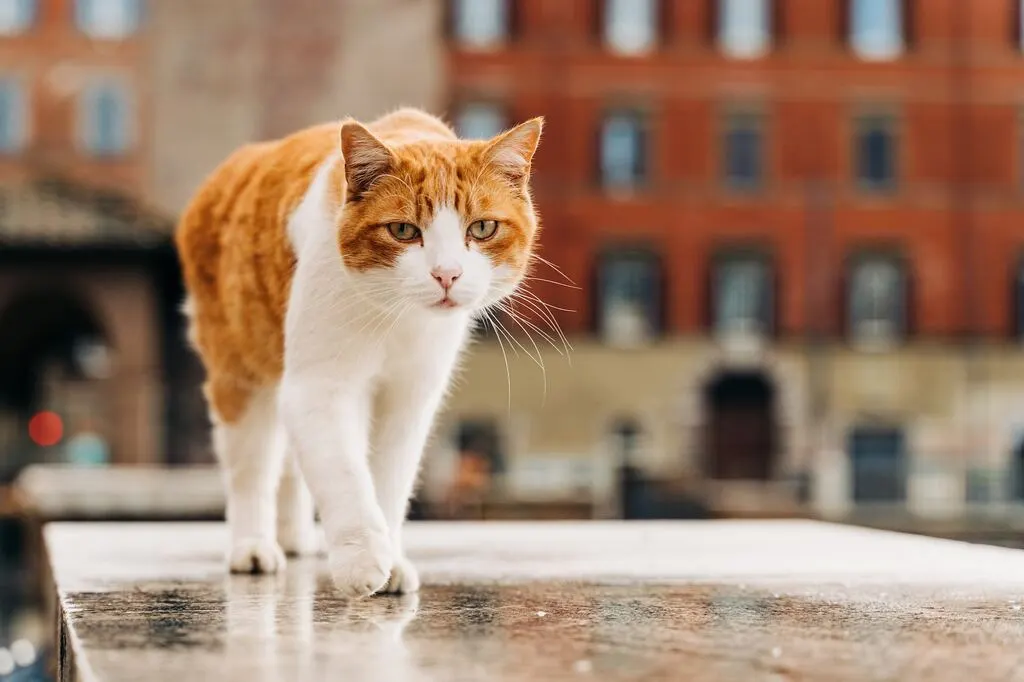
Rome is truly a cat lover’s paradise! This city has a heartwarming history of caring for stray cats, with special sanctuaries and kind volunteers offering food, shelter, and medical support to these furry friends.
Romans themselves have a soft spot for our four-legged friends, and it’s a common sight to spot cats lounging around public spots, basking in the affection of locals.
However, life for a cat in Rome isn’t without its challenges. Stray cats face risks like bustling streets, unfriendly dogs, and exposure to elements that can lead to health issues.
MUST-READ: Interesting Native Animals of Italy
Additionally, there are rules in Rome mandating that cats be registered, microchipped, and vaccinated. While these regulations promote responsible pet ownership, they may not be practical for strays and their caregivers.
It’s really disheartening to admit that not everyone in our community extends the warm welcome our beloved feline friends deserve. Unfortunately, there are times when certain individuals or businesses don’t treat them with the kindness they should, and that truly saddens us.
But amidst the challenges, the heartening fact is that Rome has a lasting tradition of caring for stray cats. Many locals shower these furry companions with love and affection, making this city a truly special and heartwarming place for our four-legged friends.
Despite the ups and downs, the bond between Rome and its cats remains a source of comfort and joy.
Historical and Cultural Significance of Cats in Rome

The cultural significance of cats in ancient Rome dates back to the city’s earliest days. Cats were revered in ancient Rome, where they were often housed in temples to act as guardians of the grain supply and divine companions.
There were festivals honoring cat deities like Bastet, who was frequently represented alongside Diana, the goddess of the hunt.
Cats continued to be culturally significant in Rome throughout the Middle Ages. People believed they could protect against evil spirits and bring good fortune while using them to reduce rodent populations in their homes and places of business.
However, since they were also associated with witchcraft and black magic, many cats were killed during the European witch trials.
Even in modern times, cats play a significant role in the Roman identity. Many people in the city have a soft spot for felines, thus the city is filled with shelters and rescue groups dedicated to helping strays.
In 2019, a law was passed by the city of Rome against killing stray cats and funds were also allotted for their care.
Today, cats in Rome serve a functional purpose apart from their cultural significance. They are generally welcomed in stores and eating establishments since they help reduce the city’s rat and mouse populations.
Cats have always played a significant role in Roman history, culture, and daily life, and this has not changed.
Cat Sanctuaries in Rome To Visit Now
In Rome, there are various cat sanctuaries and volunteer organizations dedicated to the care of stray cats. Here are some of the cat sanctuaries in Rome you should visit when in the Eternal City.
1. Largo di Torre Argentina Cat Sanctuary

In 1929, during Mussolini’s citywide reconstruction efforts, they found the historical gem Largo di Torre Argentina. They discovered that the remains of four Republican victory shrines and a part of the famous portico of Pompey were buried 20 feet below the level of the street today.
In the 1950s, actor Antonio Crast found an old building where archaeologists had kept their tools in the 1920s. Here is where he soon started to feed homeless cats. The keys to the warehouse were passed around until they were given to Lia Dequel and the other founders of the sanctuary.
From that point on, this incredible sanctuary has thrived, all thanks to the passionate volunteers who lovingly care for these cats every single day. They make sure our furry friends are well-fed and receive the best veterinary care they truly deserve.
Today, the compassionate team at Torre Argentina lovingly tends to more than a hundred cats, many of whom face disabilities or health challenges.
You can find this refuge nestled at the corner of Via Arenula and Largo di Torre Argentina, right in the heart of Rome, just a stone’s throw away from Piazza Venezia. The shelter warmly welcomes visitors every day from 12 pm to 8 pm.
Book a tour of Largo di Torre Argentina here!
Note: If you’re inspired, why not consider giving back to the community by volunteering your time, even if it’s just for a few hours? It’s a super fun way to make a positive impact! Simply visit the underground office to ask the staff for details. There is a gift shop there, as well as a place where you can make a donation or even adopt a cat.
2. The Cat Colony of the Colosseum

The Colosseum’s stray cats are cared for by a dedicated team of volunteers. They receive nourishment, hydration, and essential medical attention, all while enjoying the freedom to explore the historic grounds.
Over time, these feline friends become cherished residents and even a unique attraction within this ancient marvel.
Known as the “Cat Colony of the Colosseum,” this sanctuary is home to dozens of cats, many of whom found their way here after being abandoned or rescued. The compassionate volunteers, part of the “Gatti di Roma” (or “Cats of Rome”) group, work tirelessly to enhance the lives of these city strays. They make sure these cats stay healthy and happy by regularly spaying and neutering them.
The Cat Colony at the Colosseum isn’t just a piece of history; it’s a heartwarming symbol of Rome’s lasting compassion for its stray cats. These cats are friendly and accustomed to human presence.
However, visitors are kindly asked to be respectful of their space and preferences. Donations are warmly welcomed to support the essential work carried out by these dedicated volunteers.
When you’re ready to visit the Colosseum, hop on Metro Line B and alight at the convenient Colosseo stop. As you emerge, the iconic stadium will greet you on the left.
The Colosseum welcomes visitors every day, starting at 9 am and closing an hour before sunset. However, hours may vary by season so check out the official website for the most up-to-date information.
Check out Colosseum tours here!
Note: You can often enjoy many of these charming Colosseum cats at Piazza del Colosseo, close to the monument’s main entrance.
3. Pyramid of Caius Cestius Cat Sanctuary

The historical wonder known as the Pyramid of Caius Cestius is in the Ostiense neighborhood of Rome. This pyramid was built in 18 B.C. for the rich Roman judge Caius Cestius. It has since become a place for stray cats to live, and a small cat sanctuary is located there now.
The Pyramid of Cestius cat sanctuary is run by hardworking volunteers from the area. Here, cats have easy access to food, water, and veterinary care. Most of the cats in the area are friendly and like to be around people.
Visit the Pyramid of Caius Cestius cat sanctuary during your trip to Rome for a unique mix of ancient history and a fun time with friendly rescued cats. Even though the number of cats may change with the seasons, the shelter is open all year.
People who visit the area may leave a donation in the collection box next to the pyramid. This helps pay for the food and medical care of the cats who live there.
The Pyramid of Caius Cestius sits tall across from the Piramide train station, next to Rome’s Non-Catholic Cemetery, and on the edge of the Testaccio neighborhood.
This pyramid is only open for guided trips on certain days of the month, so if you want to find out what it’s all about, you’ll have to wait.
Click here to find out when tours are happening and to buy tickets ahead of time for an amazing experience.
Note: The Pyramid of Cestius is not open to the public for preservation purposes. It makes sense, given how important the rooms are to Rome’s history and how valuable they are.
Visitors can only go inside Rome’s Pyramid during certain times, as part of a group tour. Tours are only given on the third and fourth weekends of each month, and you have to make an arrangement.
4. The National Gallery Of Ancient Art – Palazzo Barberini’s Cat Sanctuary
Visiting Palazzo Barberini in Rome not only grants you access to a paradise for art lovers but also a paradise for cat lovers. This “unofficial” cat sanctuary has become a big part of the museum experience.
Visitors flock to hang out with the resident cats, and you’ll usually find them congregating near the entrance.
Inside the remarkable Palazzo Barberini, you’ll find an ancient treasure trove housing an incredible art collection spanning the 13th to 18th centuries. Adorning its walls are masterpieces by renowned artists like Raphael, Filippo Lippi, Bernini, Caravaggio, and countless more.
As you explore, you’ll encounter sections of the renowned Galleria Nazionale d’Arte Antica and the fascinating Istituto Italiano di Numismatica among the exhibits. It’s a journey through time and creativity you won’t want to miss!
Meanwhile, the special cat refuge is located in the palace’s garden. It is tended to by the staff and volunteers of the National Gallery of Ancient Art.
These adorable cats are accustomed to having people around, and they’re super friendly, too! They receive the best care, including delicious cat food, fresh water, and regular medical attention. Plus, they’ve all been spayed or neutered, which plays a part in managing the local cat population.
On the sanctuary’s patio, there is a donation box that lets you help pay for the upkeep of the building as well as the care of the animals who live there. The museum sometimes holds charity events, and the money raised goes to this amazing animal shelter.
You’ll easily spot the National Gallery of Ancient Art at Palazzo Barberini on Via Quattro Fontane, right in the heart of Rome and just a stone’s throw from Piazza Barberini. The gallery welcomes visitors from Tuesday to Sunday, between 8:30 am and 7:00 pm.
ALSO READ: Best Free Museums in Rome, Italy
While you explore its remarkable collection, don’t forget to say hello to the friendly resident cats – they’re part of the charm!
Book your National Gallery Of Ancient Art tickets to see the Palazzo Barberini cats and more!
Note: Wednesdays are typically the least busy days, so time your visit on this day to avoid the crowds. On other days, tickets to Palazzo Barberini sell out quickly, so you should purchase them early online, preferably three days in advance.
Tips When Visiting Cat Sanctuaries in Rome

When you visit a cat sanctuary in Rome, being kind to our furry friends and their environment is key. By keeping the following tips in mind, you’re playing a vital role in ensuring that the cats in Rome’s shelters receive the care and love they deserve for a happy, healthy life.
RELATED POSTS:
Let’s go over some important pointers for your visit.
• Give cats their space
Please be mindful not to disrupt their activities. Maintain a safe distance and refrain from touching or offering food unless instructed by the workers. Your cooperation is greatly appreciated!
• Acknowledge the volunteers
These kind people give their time and money to help take care of the cats. Respect their rules and advice, as they know the cats and the refuge inside and out.
• Consider donating
Cat shelters run on donations. If you can, give money to help the cats and the upkeep of the sanctuary.