
Do you want to know some of the most famous Italian saints?
Italy has gained renown for its deep religious heritage, characterized by a plethora of esteemed saints within the Catholic Church. Among these venerable figures, there are a handful who have achieved remarkable fame, transcending borders and winning the hearts of people worldwide.
There are nearly 300 Italian saints and numerous of them have left an indelible mark on the Catholic Church. In this article, we have chosen to highlight a select few who have made enduring contributions and remain revered by individuals across the globe.
10 Most Famous Italian Saints
Here are 10 of the most famous Italian saints you should know.
1. St. Francis of Assisi
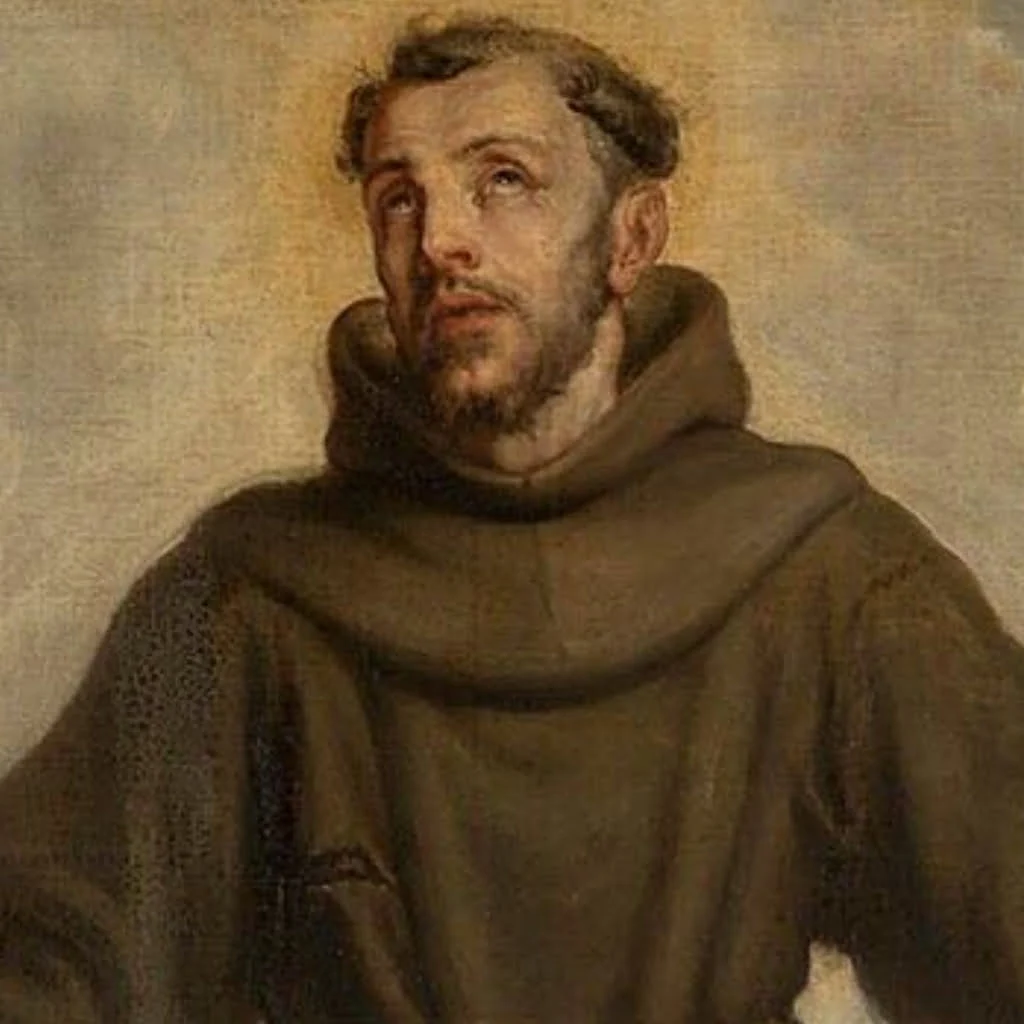
- Born Giovanni di Pietro di Bernardone in 1181 in Assisi, Italy
- Died 1226 in Assisi, Italy
- Canonized in 1228
- Patron saint of Italy, animals, and the environment
- Feast day is October 4
St. Francis of Assisi, a 13th-century Italian mystic and Catholic friar, founded the Franciscans and embraced poverty. He traveled to Egypt to end the Fifth Crusade and organized the first live nativity scene.
Born as Giovanni, he was called Francesco due to his father’s admiration for French culture. Despite growing up wealthy, he selflessly gave his money to a beggar, facing ridicule from friends and anger from his father.
He joined a military campaign and became a prisoner, after which he returned to his carefree life. Three years later, a vision led him to renounce worldly pursuits. During his final days on the mountain of Verna, he received the stigmata and passed away while singing Psalm 141.
St. Francis of Assisi is known for his patronage of animals and the environment. Churches worldwide conduct ceremonies to bless animals on his feast day.
2. St. Catherine of Siena
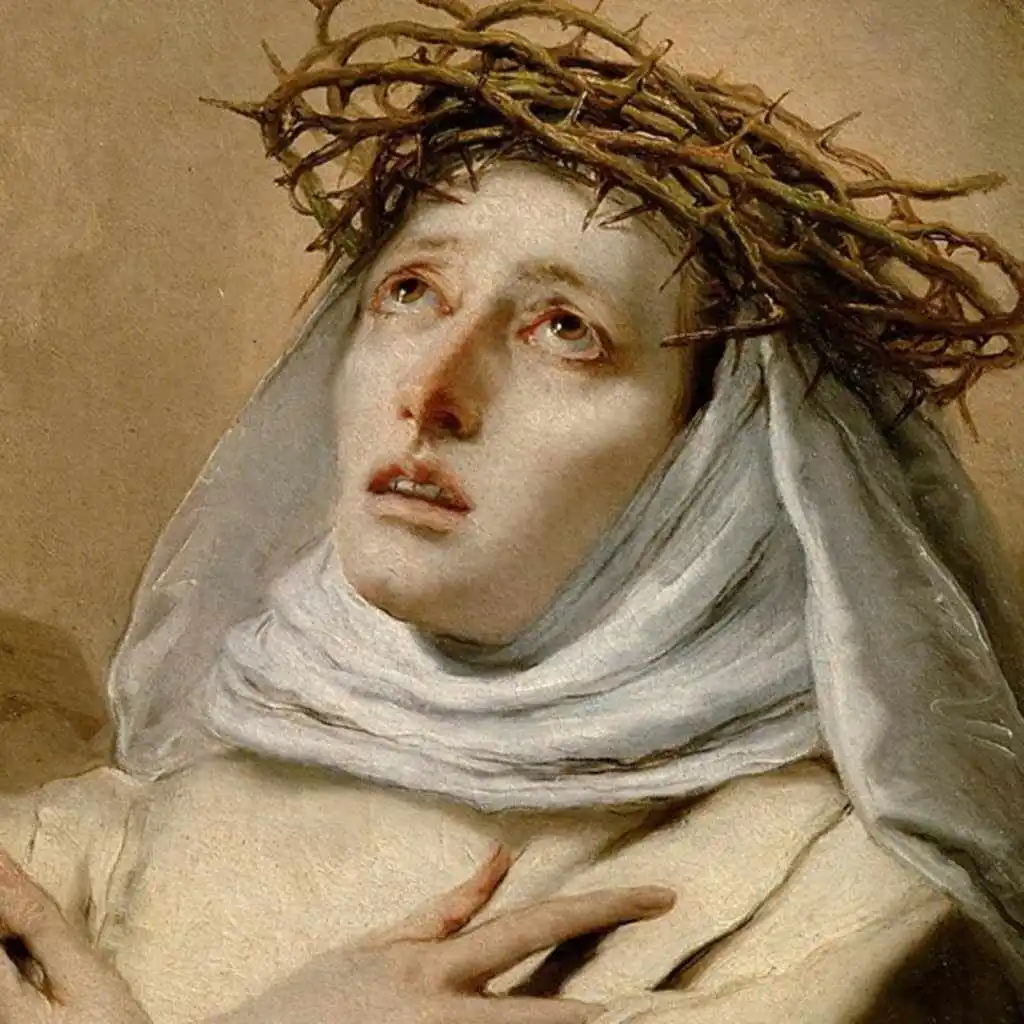
- Born Caterina Benincasa in 1347 in Siena, Italy
- Died 1380 in Rome, Italy
- Canonized in 1461
- Patron saint of Europe, nursing, journalists, and media
- Feast day is April 29
St. Catherine of Siena, a mystic, theologian, and influential author, displayed a strong personality and unwavering devotion to God. She defied her parents’ wishes and joined the “mantellates,” a group devoted to Dominican spirituality.
Her influence led Pope Gregory XI to return from Avignon to Rome and entrusted her with peace negotiations. She dictated her spiritual treatises, “The Dialogue of Divine Providence,” and sent letters promoting obedience to Pope Urban VI during the Great Schism. Her impact on the papacy and Italian literature is notable, with her writings and missions showcasing her significance in history.
In early 1380, she became unable to eat or drink. She eventually lost the ability to use her legs as well. There is a claim from a priest who witnessed the Holy Communion wafer miraculously fly from his hand into St. Catherine’s hand.
At the age of 33, she passed away due a severe stroke. In her final moments, she uttered the words, “Father, into Your Hands I entrust my soul and my spirit.”
3. St. Thomas Aquinas

- Born Tommaso d’Aquino in 1225 in Roccasecca, Italy
- Died 1274 in Fossanova, Italy
- Canonized in 1323
- Patron saint of universities and students
- Feast day is January 28
St. Thomas Aquinas, an influential Italian Dominican friar, philosopher, theologian, and jurist, was known as the Doctor Angelicus, Doctor Communis, and later received the title Doctor Humanitatis.
Against his family’s wishes, Thomas joined the Dominican Order. He persevered and experienced a mystical ecstasy before escaping and seeking refuge with the Dominican Order.
Aquinas authored around 60 significant works, including the renowned Summa Theologica, a comprehensive examination of theology. His writings spanned philosophy, theology, commentaries, essays, and debates, exploring topics like metaphysics, ethics, natural law, political theory, and the philosophy of religion. They had a profound impact on Western philosophy and theology, shaping intellectual discourse.
St. Thomas Aquinas passed away at age 49 due to a chronic subdural hematoma resulting from a prior head injury. His remains were transferred from Fossanova to the Church of the Jacobins in Toulouse. After temporarily residing in the Basilica of Saint-Sernin from 1789 to 1974, they were returned to their current resting place in the Church of the Jacobins, where they remain today.
4. St. John Bosco
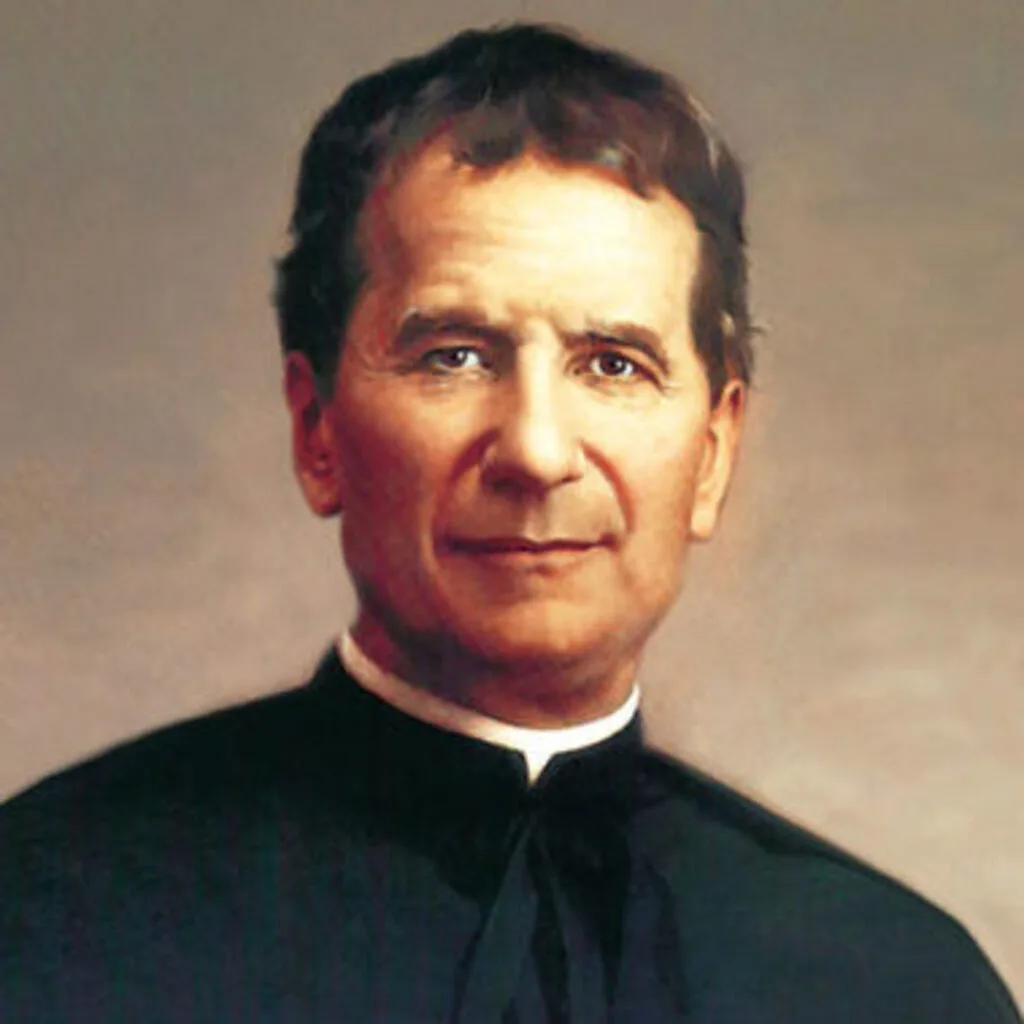
- Born John Melchior Bosco in 1815 in Castelnuovo d’Asti, Italy
- Died 1888 in Turin, Italy
- Canonized in 1934
- Patron saint of Catholic publishers and youth
- Feast day is January 31
St. John Bosco, founder of the Salesian order, devoted his life to educating disadvantaged youth.
After his father’s death, his mother played a crucial role in his upbringing. At nine, a dream inspired his mission to guide troubled boys with kindness.
Bosco became a peacemaker among classmates and learned tricks to raise funds. Despite poverty, he pursued the priesthood. Supported by Priest Joseph Cafasso, he was ordained in 1841.
Inspired by Francis de Sales and devotion to Mary Help of Christians, he established the Salesians and the Institute of the Daughters of Mary Help of Christians. His teachings impacted many, including Saint Dominic Savio. Bosco advocated for mutual aid societies and founded the Association of Mary Help of Christians.
Through publications like the Salesian Bulletin and the Association of Salesian Cooperators, his mission thrived. Today, his legacy uplifts and educates marginalized youth through various organizations.
5. St. Pio of Pietrelcina
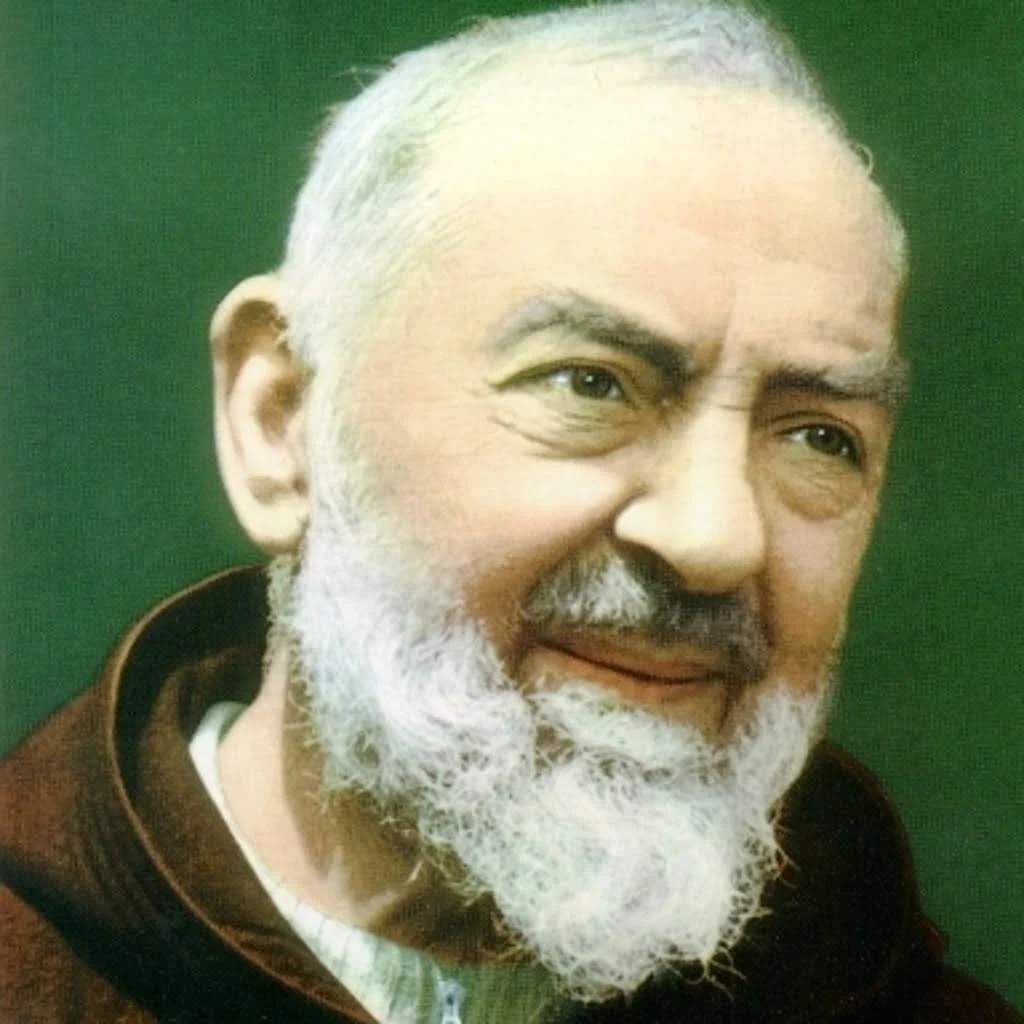
- Born Francesco Forgione in 1887 in Pietrelcina, Italy
- Died 1968 in San Giovanni Rotondo, Italy
- Canonized in 2002
- Patron saint of healing, pain, suffering, and stress relief, as well as adolescents and civil defense volunteers
- Feast day is September 23
One of the most popular saints from Italy in modern times, St. Pio of Pietrelcina – also known as Padre Pio – was a mystic Capuchin friar known for his stigmata and devout prayer life.
In his youth, he felt called to join the Capuchins after hearing a fellow friar seeking donations. His father worked in the US to support his studies. At 15, he joined the Capuchins and took vows of poverty, chastity, and obedience.
Two years later, he fell ill, experiencing various symptoms and seeming absent during prayers. Despite moving to a mountain convent for better health, he saw little improvement. Nonetheless, he made his solemn profession and was ordained as a priest in 1910. In 1918, he experienced the stigmata.
After his death, devotion to Padre Pio spread worldwide. Today, his relics are displayed at the sanctuary of Saint Pio of Pietrelcina, near the San Giovanni Rotondo convent, attracting pilgrims from far and wide.
6. St. Rita of Cascia
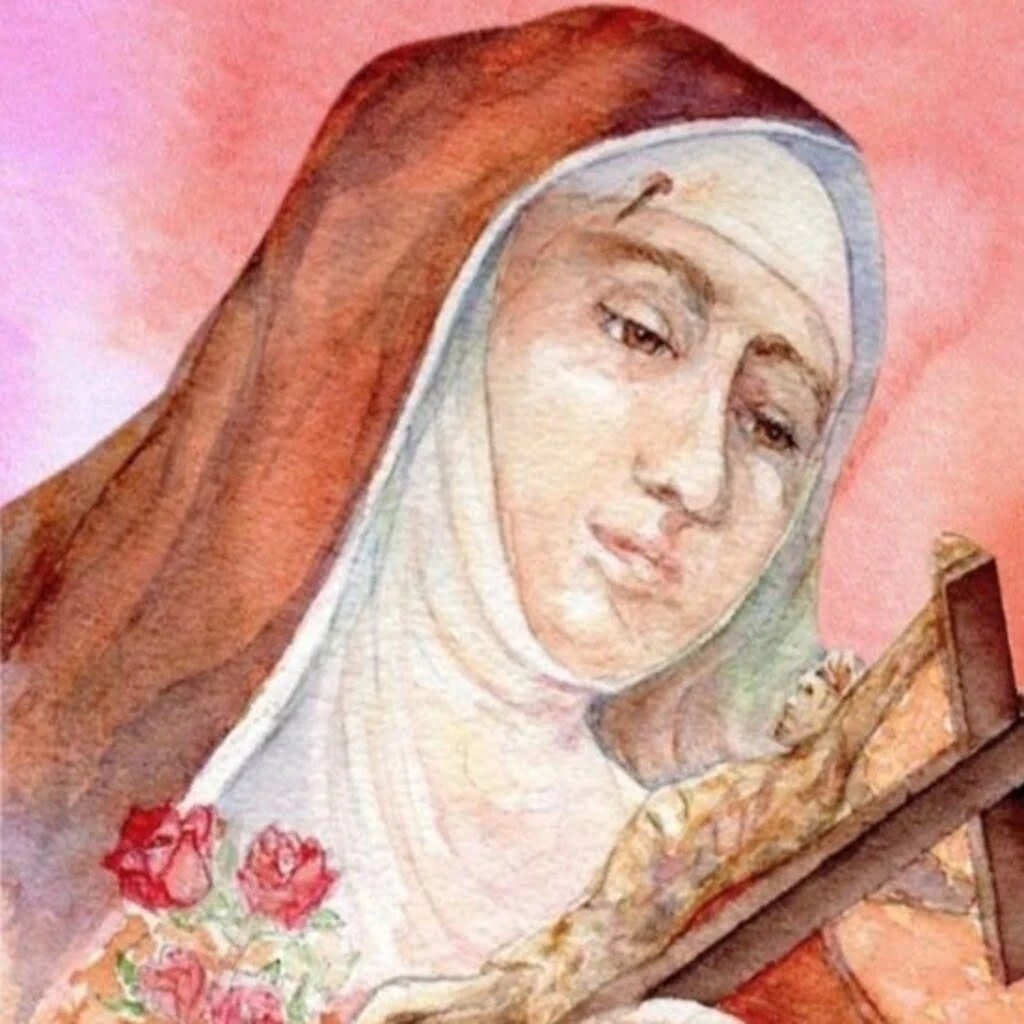
- Born Margherita Lotti in 1381 in Roccaporena, Italy
- Died 1457 in Cascia, Italy
- Canonized in 1900
- Patron saint for impossible causes
- Feast day is May 22
St. Rita of Cascia, an Italian widow and Augustinian nun, is venerated as a Catholic saint. She joined an Augustinian community after her husband’s death. She is known for her self-discipline and miraculous prayers, symbolized by a forehead wound.
Born to noble parents, she longed to be a nun but married an immoral man. Despite enduring abuse and infidelity, her humility, kindness, and patience transformed her husband. After his violent death in a family feud, she forgave his killers at his funeral. Her sons, driven by revenge, died naturally after her prayers.
Rejected by a monastery for scandal and non-virginity, she persisted and was accepted. As tales go, St. Rita levitated to the monastery and resided there until her death at 76 from tuberculosis.
7. St. Joseph of Cupertino
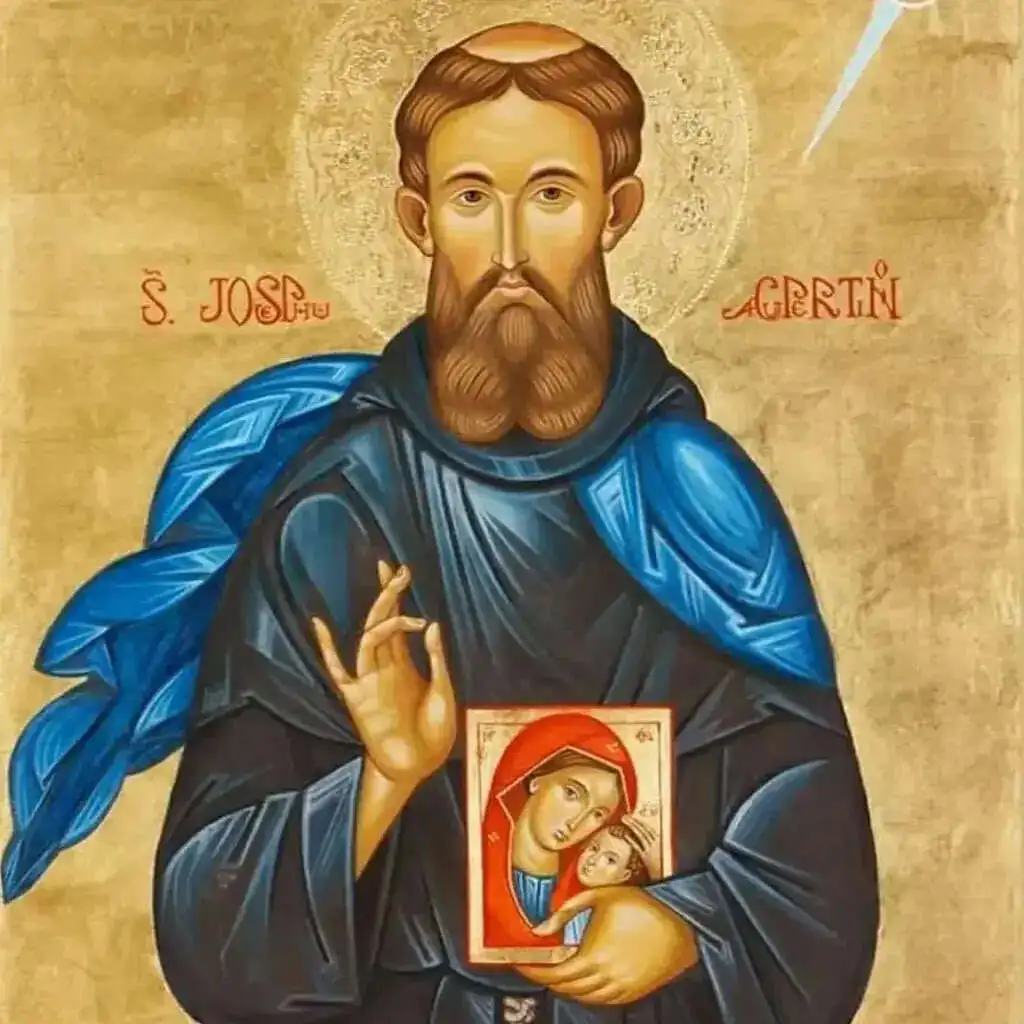
- Born Giuseppe Maria Desa in 1603 in Cupertino, Italy
- Died 1657 in Osimo, Italy
- Canonized in 1767
- Patron saint of aviation, astronauts, mental handicaps, test taking, and students
- Feast day is September 18
Despite lacking formal education and grappling with anger issues, St. Joseph of Cupertino pursued a religious vocation. Initially rejected by various religious orders, he eventually found acceptance among the Conventual Franciscan friars and was ordained as a Catholic priest.
Throughout his lifetime, he encountered extraordinary visions and experienced the phenomenon of miraculous levitation, which garnered both admiration and restrictions. He embraced a life of asceticism and endured scrutiny from the Inquisition.
Despite these challenges, his unwavering faith and spiritual encounters were recognized. St. Joseph of Cupertino triumphed over adversity and mockery to emerge as a revered saint and Christian mystic.
8. St. Peregrine Laziosi

- Born Peregrine Laziosi in 1260 in Forlì, Italy
- Died in 1345
- Canonized in 1726
- Patron saint of people with cancer, AIDS, and other life-threatening illnesses
- Feast day is May 1
St. Peregrine was born into wealth but opposed the Pope. In 1283, he changed after striking Friar Philip Benizi, who showed him forgiveness.
This encounter transformed the future St. Peregrine. He prayed more, dedicated himself to good deeds, and joined the Servite Order. He became a priest and established a Servite house in Forlì.
Known as the “Angel of Good Counsel,” he preached, cared for the sick and poor, and performed miracles. He multiplied grain and wine during a shortage and healed the sick.
Facing leg amputation at age 60, St. Peregrine received a vision of Jesus healing him, and his cancer vanished. He was 85 when he died, after which he was revered and many sick people were healed through his intercession.
9. St. Benedict
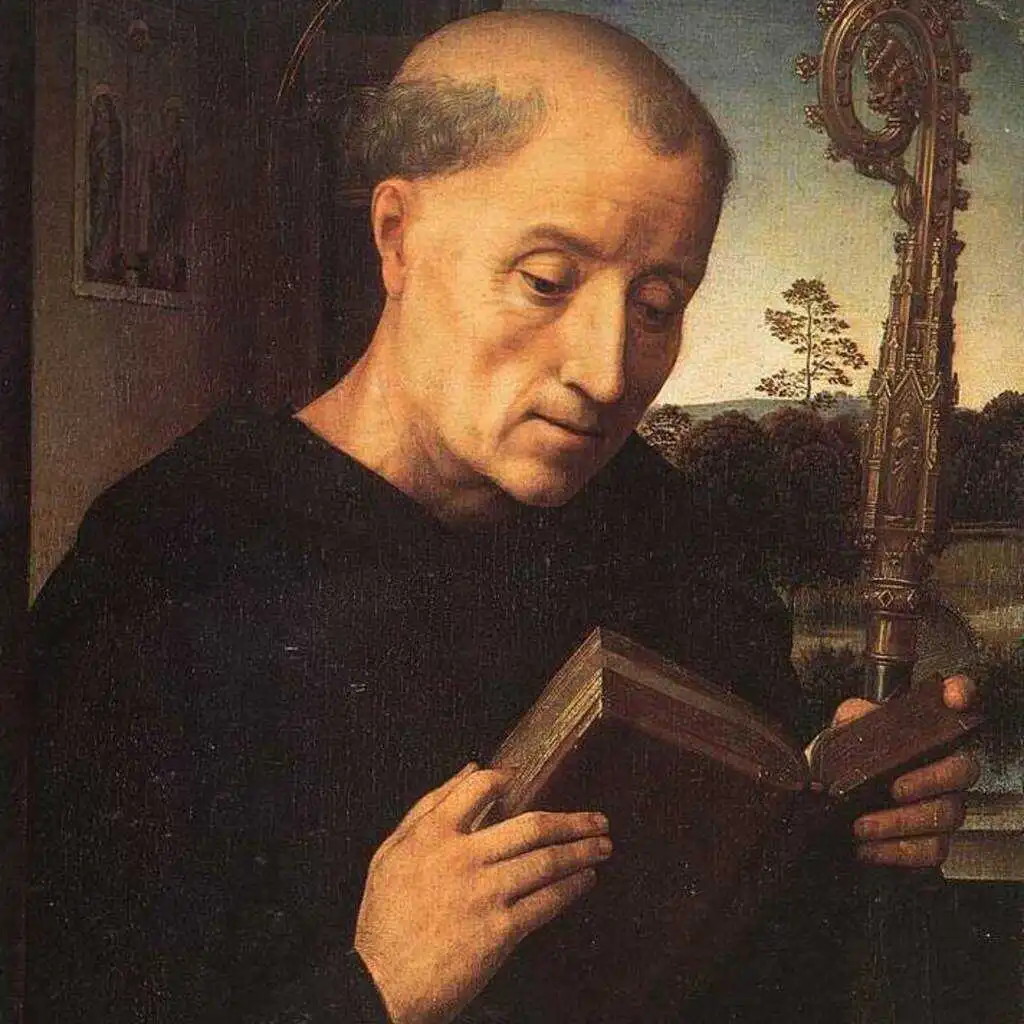
- Born in 480 in Nursia, Italy
- Died 547 in Monte Cassino, Italy
- Canonized in 1220
- Patron saint of Europe and students
- Feast day is July 11
St. Benedict, founder of the Benedictine monastic order, was known for his remarkable acts. He discovered water atop a barren mountain to satisfy his fellow monks’ thirst. He retrieved the iron part of a bill hook from the depths of a lake and reunited it with its handle. He also intervened to save a monk from a wayward existence.
Born to a noble family, he abandoned his privileged life to live in a cave near Subiaco after being disillusioned by Rome’s immorality. Despite constant temptations, he triumphed over evil, earning a reputation as a protector.
The monastic community he founded pioneered Western monasticism and laid the foundation for Western Christendom.
St. Scholastica, his twin sister, is the patroness of Benedictine nuns.
10. St. Valentine
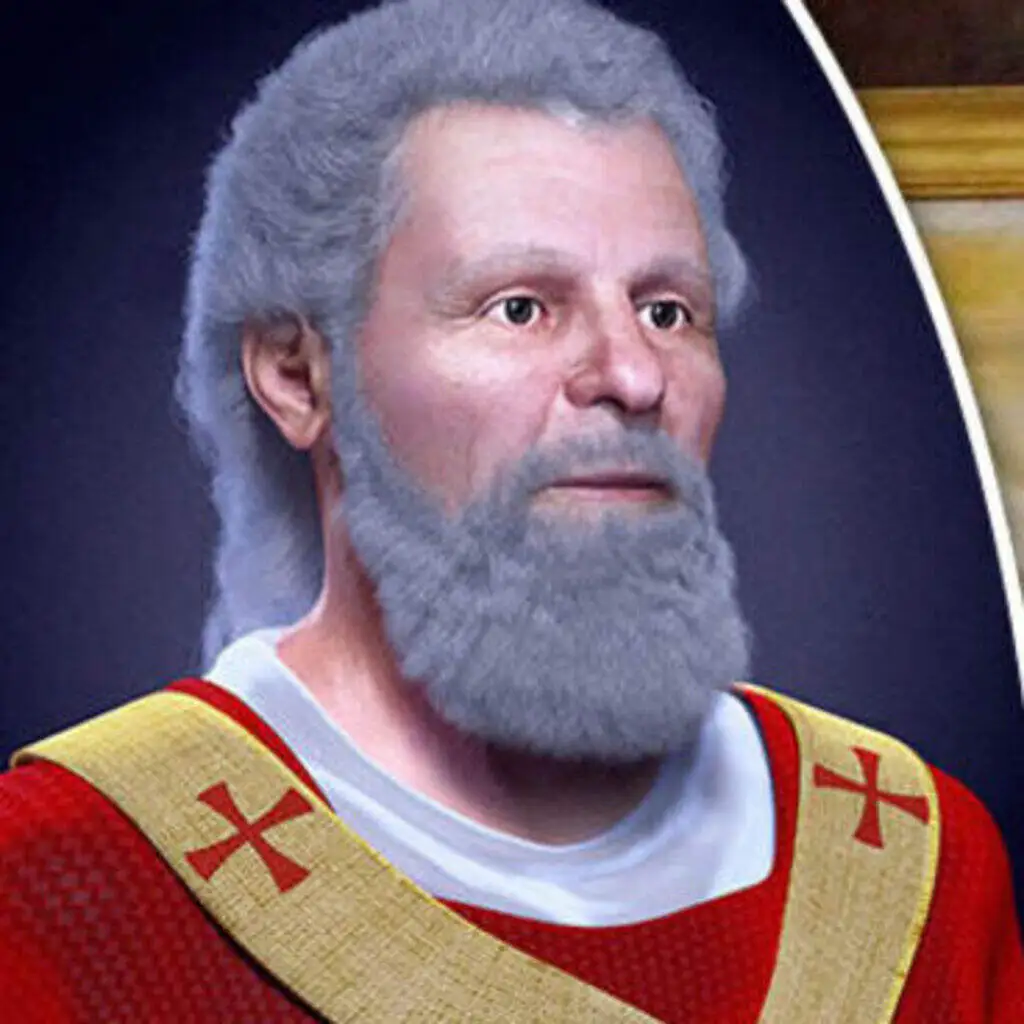
- Born Valentine Berrio-Ochoa in c. 226 in Interamna (modern-day Terni), Italy
- Died c. 269 in Rome, Italy
- Canonized in 1988
- Patron saint of epileptics, beekeepers, and lovers
- Feast day is February 14
St. Valentine, a Roman priest and physician, was martyred in Rome during the persecution of Christians under the rule of Emperor Claudius II Gothicus around 270 AD.
St. Valentine’s name did not appear in the initial roster of Roman martyrs and it was only Pope John Paul II who officially canonized him in 1988. However, St. Valentine has always been among the most famous saints from Italy, thanks to Valentine’s Day.
On February 14, 269, St. Valentine was imprisoned, tortured, and executed for refusing to renounce Christ. Before his beheading, he miraculously restored the sight and hearing of his jailer’s daughter. His body was hastily buried nearby, but his disciples later retrieved and brought him back home.
His acts were only known to God, but he was honored among revered individuals. In 496 AD, Pope Gelasius I designated February 14 as the feast day of St. Valentine.
St. Valentine is said to have cured someone with epilepsy, hence his patronage of epileptics. The reasons behind his association with beekeepers remain largely unknown, but it is likely due to the connections between fertility, love, beekeeping, and spring.