
Italy takes pride in its remarkable selection of fresh and delectable produce. Italian vegetables provide a rich assortment of flavors, hues, and textures, serving as a splendid enhancement to any culinary creation. Each plays a distinctive role in Italian cuisine, adding a unique contribution to the rich culinary tradition.
By adding these vibrant and flavorful ingredients into your meals, you can savor the authentic taste of Italy and embark on a culinary adventure unlike any other.
Next time you find yourself in the kitchen, make sure to fully embrace the delightful flavors of Italian vegetables and allow your taste buds to savor the true essence of this remarkable cuisine.
Let’s delve into the bountiful world of Italian veggies and find out their unique characteristics, history, culinary uses, and nutritional benefits.
- RELATED POST: 12 Most Popular Italian Fruits
10 Most Popular Italian Vegetables
Planning on cooking an Italian dish? Then, take a look at these top 10 popular Italian vegetables to add into your recipe!
1. Eggplant

Eggplants, known for their shiny purple skin and velvety flesh, are actually fruits. However, they are employed as vegetables in Italian and other cuisines. They take center stage in iconic Italian dishes like eggplant Parmigiana and caponata.
This popular Italian vegetable has a history that traces back to Southern Italy in the 9th century CE. Arab traders and settlers introduced this adaptable fruit as they expanded their influence in the region. In Sicily and Calabria, adventurous eaters embraced the melanzana, as it came to be called. However, the egg-shaped produce initially raised skepticism among some people who were hesitant to include it in their cooking.
But this peculiar-looking vegetable has made significant strides since. Today, it is one of the most popular vegetables consumed in Italy. Its ability to enhance a wide variety of dishes makes it a highly prized ingredient in Italian cuisine.
When cooked, eggplants undergo a remarkable transformation, developing a rich and substantial texture that easily absorbs flavors. Whether they are fried, roasted, or grilled, eggplants add depth to any culinary masterpiece that includes them.
Eggplants are also not just delicious but nutritious as well, providing ample amounts of vitamins, minerals, antioxidants, and fiber. They are said to aid in digestion, prevent anemia, regulate blood sugar levels, promote strong and healthy bones, support weight loss efforts, and even enhance brain function. Some studies suggest that eggplants may even reduce the risk of certain types of cancer.
2. Tomato
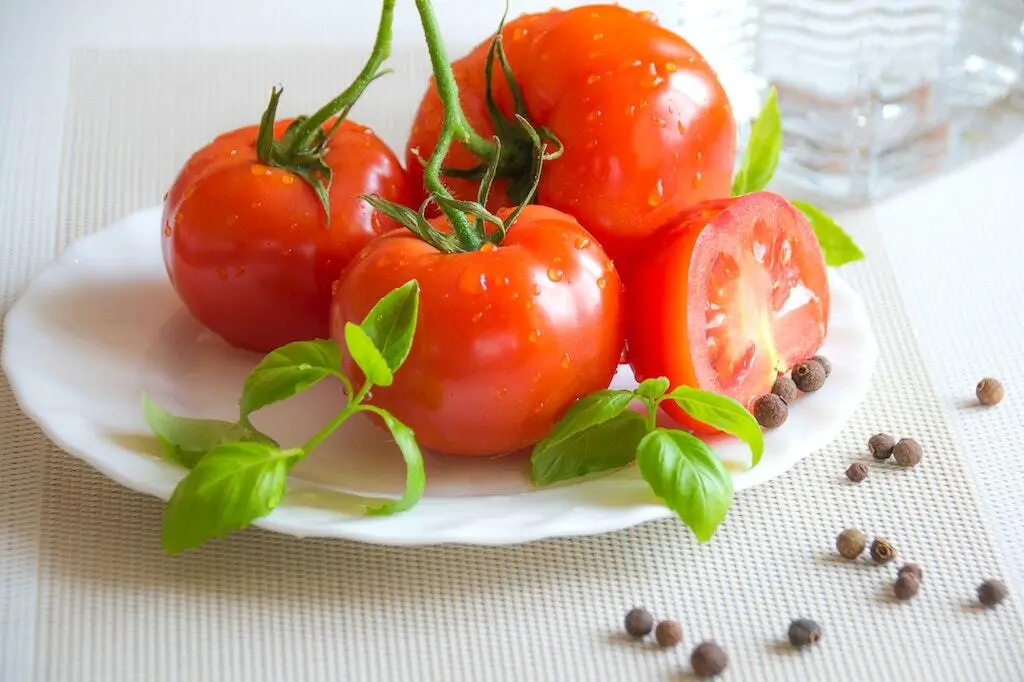
Akin to eggplants, tomatoes are classified as fruits. Tomato – or pomodoro in Italian – is commonly regarded and used as a vegetable across the globe. However, its culinary significance is no more pronounced than in Italy itself.
The earliest documented Italian eye-witness testimony of what would later be recognized as a tomato dates back to 1548 in Tuscany. In this historical account, the fruit was intriguingly likened to an eggplant. Consequently, this newfound edible item was given the name “pomidoro” in Italian, which roughly translates to “golden fruits” or “golden apple.”
Vibrant in color and abundant in flavor, tomatoes are an essential component in countless Italian culinary creations. Whether in the form of succulent pomodoros in pasta sauces or sweet cherry tomatoes adorning Caprese salads, the tomato’s versatility knows no bounds.
Apart from their ability to enhance dishes with depth and complexity, tomatoes are also a rich source of essential vitamins and antioxidants, making them a wholesome addition to any meal.
3. Basil
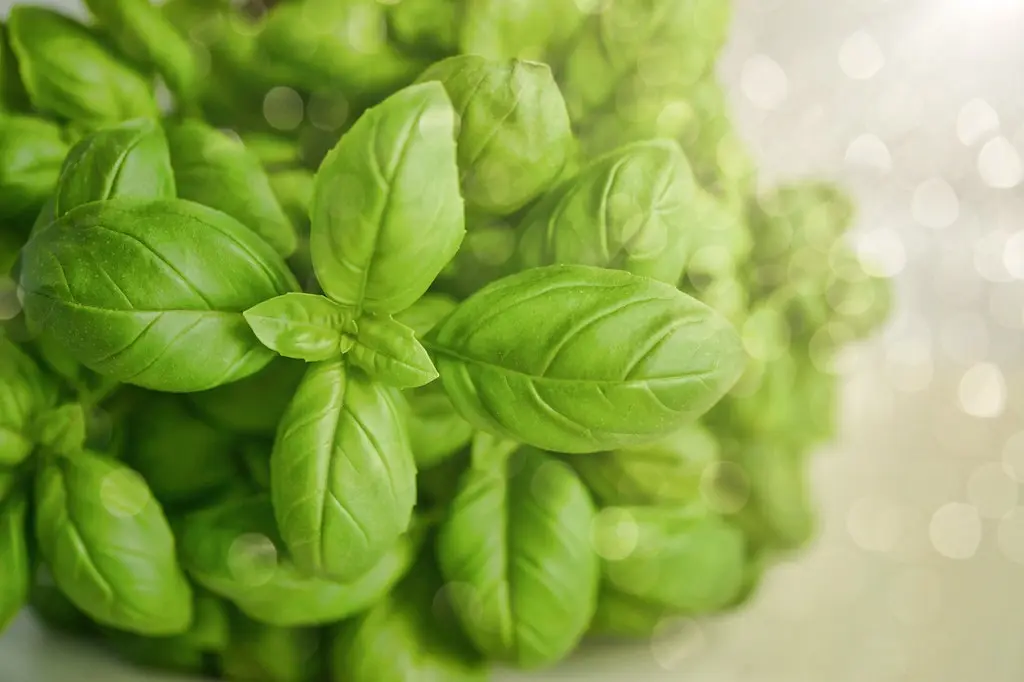
Basil, known as basilico in Italian, is a prominent aromatic herb capable of enhancing the flavors of any dish. Its compatibility with the ingredients found in Mediterranean cuisine is truly remarkable.
Derived from the Greek word “basileus,” meaning “king,” basil holds a regal significance. While many associate basil with Italy, its origins can be traced back to India, having been introduced to Italy through the ancient spice route. Since then, it has swiftly become an essential seasoning in Italian culinary traditions. The finest basil is predominantly cultivated in Liguria, particularly in the regions surrounding the town of Prà near Genoa, as well as in Campania.
This exquisite herb breathes life into classic Italian dishes like pasta and pizza. Pesto alla Genovese, the true and authentic pesto, is crafted using fresh basil as its main ingredient.
Beyond its culinary contributions, basil offers a wealth of beneficial plant compounds known for their antioxidant, anti-inflammatory, and other health-promoting properties. These compounds are responsible for basil’s distinct essence, infusing it with its characteristic aroma and flavor.
In Italian culture, basil symbolizes love and devotion between young couples. Legend has it that when a man presented a woman with a sprig of basil, she would inevitably fall in love with him.
4. Artichoke

Italy takes pride in being the largest global producer of artichokes, a vegetable deeply rooted in history. Ancient civilizations such as the Greeks and Romans held artichokes in high regard, considering them both a delicacy and an aphrodisiac.
The cultivation of artichokes in Italy traces back to the 15th century, with Naples being the first recorded site. Initially regarded as a novel food species, it was Filippo Strozzi who introduced the artichoke to Florence in 1466. By 1473, it had made its way to Venice. Over time, artichoke production in Italy flourished, reaching an impressive 64,000 tons in 1915.
While historical accounts vary, some theories propose that artichokes may have originated in Sicily or Tunisia, with evidence of their edible flower form documented in Italy around 1400. Today, artichokes thrive in the provinces of Viterbo, Latina, and Rome, benefiting from the ideal microclimate found in the Lazio region. The cultivation of artichokes in this area can be traced back to pre-Roman times. In the Italian language, the word for artichoke is “carciofo.”
Artichokes hold a cherished place in the Mediterranean diet, known for their abundance of nutrients, antioxidants, and being one of the richest sources of polyphenols. Whether prepared stuffed, marinated, fried, or steamed, artichokes play a prominent role in Italian cuisine. They are frequently featured on antipasti platters and often accompany pasta, meat, and salads, showcasing their versatility and enduring popularity within Italian culinary traditions.
5. Tuscan kale
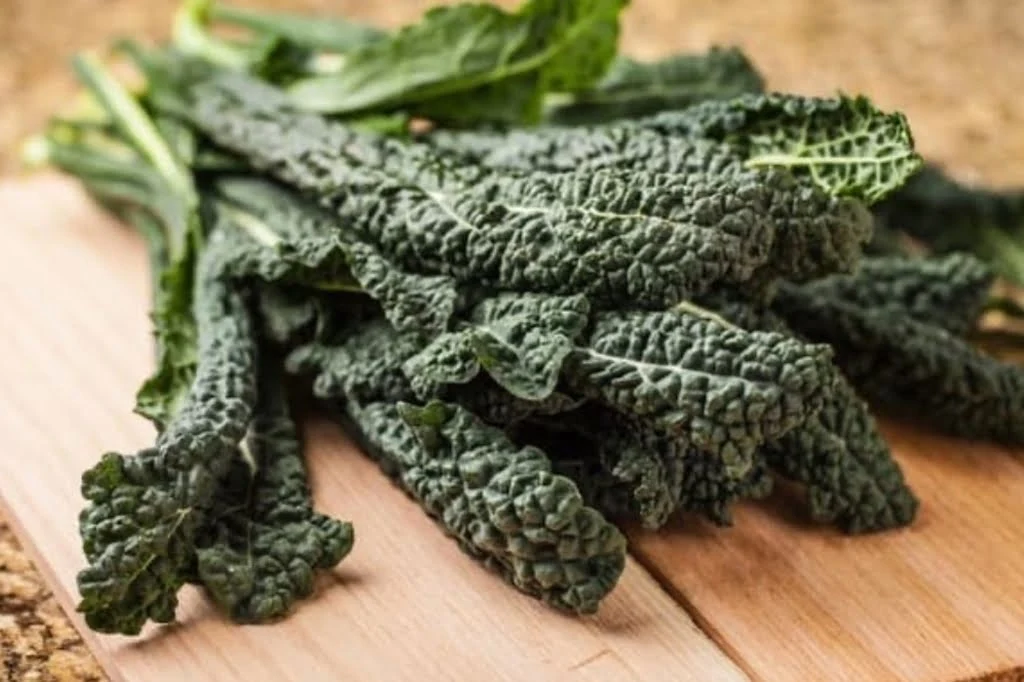
Also known by many English names such as black cabbage, flat-back kale, black Tuscan palm, Lacinato kale, and dinosaur kale. In Italian, it is called cavolo nero. It is a type of kale that originated in Tuscany. Unlike other kale varieties, cavolo nero has a slightly sweeter and less bitter taste, with nutty and earthy flavors.
Tuscan kale has long, sturdy leaves similar to savoy cabbage in terms of texture. When cooked, the leaves maintain their firmness, making cavolo nero a popular ingredient in various stews and soups. It is used in various Tuscan dishes, including acquacotta, farinata di cavolo nero, and the famous ribollita.
Tuscan kale has been cultivated for centuries in the region after which it was named. A very nutritious Italian vegetable, not only is it low in calories and cholesterol-free, but it’s also a rich source of fiber, vitamins A, C, and K, as well as essential minerals such as potassium and calcium.
6. Trevi black celery

Trevi black celery, known as Sedano nero di Trevi in Italian, is a magnificent vegetable characterized by its dark green ribs and a stem that reaches a minimum length of 30 centimeters, free from filaments. It possesses a fragrant white heart and offers a uniquely intense flavor.
Thanks to the patient and centuries-old cultivation practices of local farmers in the Umbria region, a distinct variety of celery known as the black cultivar from Trevi has been developed. This exceptional vegetable naturally darkens and becomes woody as it grows without any special treatment, hence its name. To prevent this darkening process, it is necessary to bury the celery.
The outer stalk of Trevi black celery is commonly used in the preparation of vegetable soups, while the inner, more tender part is enjoyed in pinzimonio, a dish of raw celery seasoned with oil, salt, and pepper. Additionally, the leaves of this celery variety are dried, powdered, and utilized to add flavor to cakes and bread. Nevertheless, the signature dish of Trevi is the black celery Parmigiana.
Celery intake can help lower cholesterol levels, thanks to the vitamin C it contains which works with the organic chemical compounds called phthalides.
7. Radicchio

Radicchio, which is also referred to as Italian chicory, is a variety of leafy chicory characterized by its dark reddish-purple leaves and white veins. Belonging to the chicory family, this type of leafy vegetable shares the group’s characteristic spicy bitterness. It exhibits a delightful sharpness and bitter taste in its purple leaves with prominent white veins when consumed raw. This distinctly bitter taste goes well with many Italian dishes.
Though commonly mistaken for red cabbage, the two are distinct vegetables with contrasting characteristics. Besides the robust bitter flavor, raddicchio features thinner, less waxy leaves compared to cabbage. Red cabbage, on the other hand, offers a milder taste and has thicker, crunchier leaves that display a consistent purple color throughout.
The cultivation of radicchio as we know it today originated in the Italian regions of Friuli-Venezia Giulia, Veneto, and Trentino during the 15th century. However, it wasn’t until 1860 that the deep-red variety of this vegetable we are familiar with was developed by the Belgian agronomist Francesco Van den Borre.
Sautéing radicchio is a customary practice in Italy, often done before incorporating it into pasta dishes, risotto, and stews. This cooking method brings a delightful harmony to the richness of these culinary creations. Additionally, radicchio is commonly featured in various salad recipes.
Radicchio is renowned for its abundance of vitamin K, fiber, and antioxidants, which contribute to its potential in reducing the risk of various health ailments such as heart disease, diabetes, cancer, and osteoporosis.
8. Tenerumi

Tenerumi, literally meaning “tendrils,” refers to the tender tips, buds, and leaves of the Sicilian summer squash – known locally as zucchina or cucuzza – which can reach impressive lengths of up to 6 feet. They bear a delightful nutty flavor fused with a subtle hint of bitterness.
This leafy green vegetable is frequently sautéed with garlic and enjoyed on its own, added into soups and stews, or transformed into a quick pasta sauce by combining it with cherry tomatoes and seasoned with black pepper. Tenerumi can also be boiled and dressed with olive oil.
With origins dating back approximately 7,000 years, the exact geographical birthplace of this vegetable remains uncertain. However, it was utilized as an ingredient by the Phoenicians in ancient times. Interestingly, in India and Africa, the vegetable’s tendrils were even used in creating musical instruments.
Tenerumi are particularly popular in Sicily, where they are commonly paired with pasta dishes and sea urchin soups.
9. Chili pepper

Akin to eggplants and tomatoes, chili peppers are botanically categorized as fuits but are employed as vegetables in cooking. In Italian, hot and chili pepper is called peperoncino.
Chili peppers are predominantly used as a spice, whether cooked or dried and ground into powder. They are added as ingredients to many Italian recipes, especially sauces. The distinctive and pungent taste of chili peppers, as well as many of their health advantages, can be attributed to capsaicin, the primary bioactive compound found in these peppers.
Chili peppers play a vital role in supporting a robust immune system, thanks to their vitamin A content, which is also well-known for aiding in preserving eye health. Additionally, these fiery peppers are also renowned for their high levels vitamin C, making them excellent sources of essential nutrients our body needs.
10. Fennel

Fennel, known as finocchio in Italian, holds a prominent position in Italian cuisine. It is used in various forms, including bulbs and fronds, which are incorporated both raw and cooked, in a wide range of dishes. Fennel can be found in salads, side dishes, pastas, and risottos throughout Italian culinary traditions. Fennel seeds are also commonly used in Italian sausages and meatballs.
In Italy, fennel is widely found, particularly in areas where wild plants flourish. These fennel plants grow tall with graceful yellow flowers that reach towards the sun. Many centuries ago, wild fennel was domesticated, and it is believed that Roman warriors included it into their diet to enhance their strength.
Fresh fennel is readily available throughout the year, although it thrives as a cold-weather crop and is at its peak during the autumn to spring seasons. This popular Italian vegetable has antiacid properties, which aid in balancing excessive acids in the stomach and intestines, and it also helps to eliminate uric acid from the joints. These qualities make it beneficial for addressing kidney stones and gout.
ALSO READ: