
Do you want to know the most popular types of pasta in Italy?
When it comes to pasta, Italy has the most varieties. The country is known for its rich history and cultural identity, so it’s no surprise that Italians have developed their own unique take on this classic dish.
The history of these kinds of pasta goes back to Marco Polo in the 13th century, and some stories say that nomad Arabs brought noodles from Central Asia to Europe.
No matter where the different kinds of pasta in Italy came from, the shapes and sizes of the noodles have been influenced by the ingredients that were available in each area.
To help you have a better understanding of different pasta, we compiled some popular types of Italian pasta below.

12 Most Popular Types of Pasta in Italy
Here are 12 most popular pasta types in Italy that you can also have at your own home.
1. Farfalle

Italian farfalle is a tiny pasta with a bowtie shape that can have straight or ruffled ends. It is produced with a dough that includes eggs, all-purpose flour, and semolina flour. The dough is thinly rolled out before being cut into 1.5×1-inch squares.
Instead of a knife, pairing pinking shears create the pasta’s distinctive ruffled edges. The middle of each rectangle is then tightly pinched to develop the butterfly or bowtie shape.
2. Lasagna

Lasagna is a traditional Italian dish consisting of layers of pasta, cheese, and tomato sauce. It’s usually made with flat pasta sheets and served with tomato sauce.
Lasagna can be made with meat or vegetables to suit your tastes. The key to making good lasagna is ensuring that all ingredients are well-prepared — this way, you’ll get the best flavor out of each bite!
Usually, lasagna is served with tomato sauce on top so as not to overpower any other flavors from other ingredients being used in the dish (like spinach).
3. Ravioli

Ravioli is pasta made from meat or vegetables rolled into small balls, the pasta is then filled with cheese and other ingredients before being rolled in flour and fried.
Ravioli can be served as an appetizer or entrée, but they’re most commonly paired with tomato sauce for lunch.
Ravioli are usually made from flour tortellini (which means “little baskets”), but you can also find ravioli stuffed with spinach; chicken; ricotta cheese; spinach; ground beef; sausage meatballs, and more.
4. Tortellini
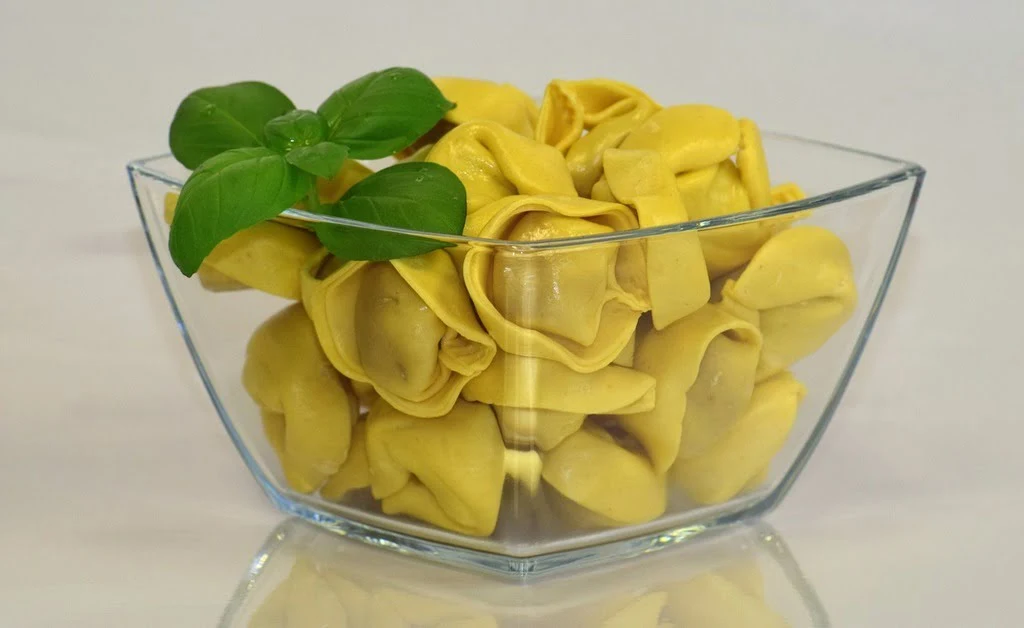
Tortellini have a smooth texture inside with a soft shell on top that’s covered by melted butter or extra-virgin olive oil, so they don’t get soggy when cooked at high temperatures like lasagna does.
They’re usually served as an appetizer because they’re small enough not to overwhelm your appetite while still filling enough that you won’t feel like eating anything else until dinner time rolls around again tomorrow night… or at least until tomorrow morning.
5. Penne

Penne is a type of Italian pasta that’s shaped like a cone or tube, with ridges along its length that help hold the sauce. Penne rigate (meaning “striped” in Italian) is the most common penne type.
The penne’s ridges also help hold the sauce better than other types of pasta because they have an increased surface area for adhesion. In addition, there are more nooks and crannies for sauces to cling to as well as holes for trapped air bubbles to escape from your dish before you eat it.
6. Linguine

Linguine is a pasta that looks like spaghetti and has a similar texture but is thinner. It can be made from flour, semolina, and eggs, though most people prefer egg whites in their recipes.
Some linguine recipes call for adding cream or butter, flour, and water, so you’ll have to experiment to find what works best for your taste buds.
This popular type of Italian pasta can be used as a substitute for spaghetti and is best accompanied by herbs, clams, and flavorful sauces.
7. Vermicelli

Vermicelli is a thin spaghetti-like pasta that’s made from semolina flour. It’s usually served with a sauce.
Vermicelli can be broken into two types: thin vermicelli and wide vermicelli. Thin vermicelli is more delicate than wide ones because they’re not as thick when cooked. However, they don’t have as much presence in the dish because of their smaller size.
Wide vermicelli tend to be thicker, which means they hold up better during cooking. A little downside is, these wider strands take longer to cook through before becoming tender enough for consumption.
8. Fettuccine

Fettuccine is a type of pasta that is long and flat. It is a popular pasta type in Rome and Tuscany.
Fettuccine is made from egg, flour, salt, and water. It can be served with meat or fish, but it’s best paired with vegetables.
The semolina grain used to make fettuccine is a type of wheat that has been ground down into fine particles by being passed through large rollers on a milling machine called a tamburello.
9. Cannelloni

Large pasta tubes called cannelloni are ideal for stuffing with your favorite filling and baking in the oven. They require little effort, so they’re a terrific choice for feeding a crowd.
Cannelloni can be stuffed with a filling and then baked in an oven. The stuffing can be meat, cheese, or vegetables.
Cannelloni are usually served as an appetizer or main dish at Italian restaurants. They’re also popular on their own as leftovers.
10. Spaghetti
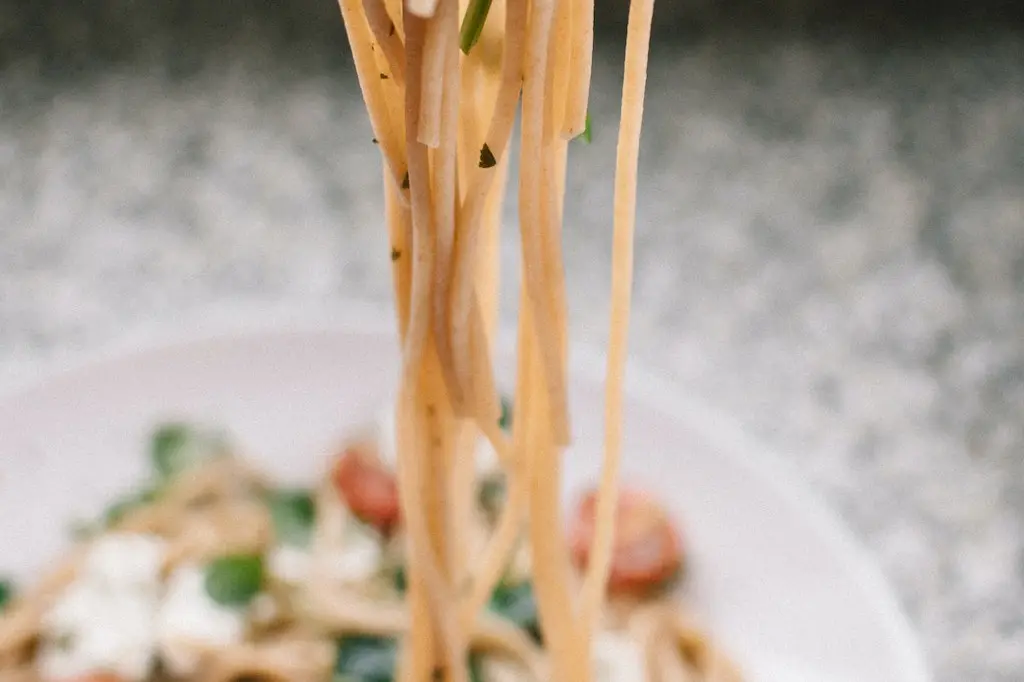
Spaghetti is a long, thin pasta that’s made from durum wheat semolina and is usually served with tomato sauce. It’s traditionally eaten by hand but can also be cut into short lengths for quicker cooking and easy eating.
Ancient people in the Mediterranean made noodles out of wheat and eggs. Still, Sicily’s Arab conquerors probably brought spaghetti to the island in the 8th century.
The name spaghetti comes from the Italian word spaghetto, which means “little cord.” The name wasn’t written down until 1874, though, which suggests that spaghetti may have been a regional dish until just after Italy became one country.
Up until about that time, spaghetti was probably eaten with butter and cheese. The tomato was brought to Italy as part of the Columbian Exchange. It wasn’t a typical food there, though, until the 19th century.
11. Macaroni

Macaroni is a type of dry Italian pasta that looks like long tubes. Macaroni is made from durum wheat and is usually cut into short pieces.
Macaroni that is shaped like an elbow may be called elbow macaroni. Some household machines can make shapes like macaroni. Still, in most TV ads, macaroni is made by extruding large amounts of dough.
In Italy, the term “maccheroni” refers to a variety of long or short tubes of durum wheat semolina pasta with variable thickness walls and central perforations. You would need to hunt for a “pipette” or “pipe” on the supermarket shelf in Italy if you wanted the traditional mac & cheese-shaped pasta that has become a staple in the United States.
Although macaroni is a general term, each distinct kind has a unique moniker. In Southern Italy, for instance, maccheroni refers to a variety of this pasta that can either be hollow or not, short or long, smooth or ridged.
12. Capellini

Capellini is a very thin type of Italian pasta. It measures 0.85 to 0.92 millimeters in diameter. It has a rod-like shape and resembles spaghetti in its length. The diameter of the even thinner Capellini D’Angelo variation ranges from 0.78 to 0.88 millimeters.
The famous spaghetti is comparable in shape to capellini, which originated in northern Italy around the Italian Renaissance. However, capellini is only about a third as thick as spaghetti.
Must-read: 13 Famous Pasta Brands in Italy