
Italy is a lovely country with many stunning spots to visit. Renting a car might be an excellent option to explore the nation at your speed.
Renting a car in Italy can be a bit tricky, especially if you’re not familiar with the local rules. But don’t worry! This guide has got you covered. It’ll give you all the info you need, from the required documents and driving laws to tips on finding great deals and driving around.
With this guide, you’ll be all set to explore the beauty of Italy with confidence!
MUST-READ: Guide to Buying a SIM Card in Italy
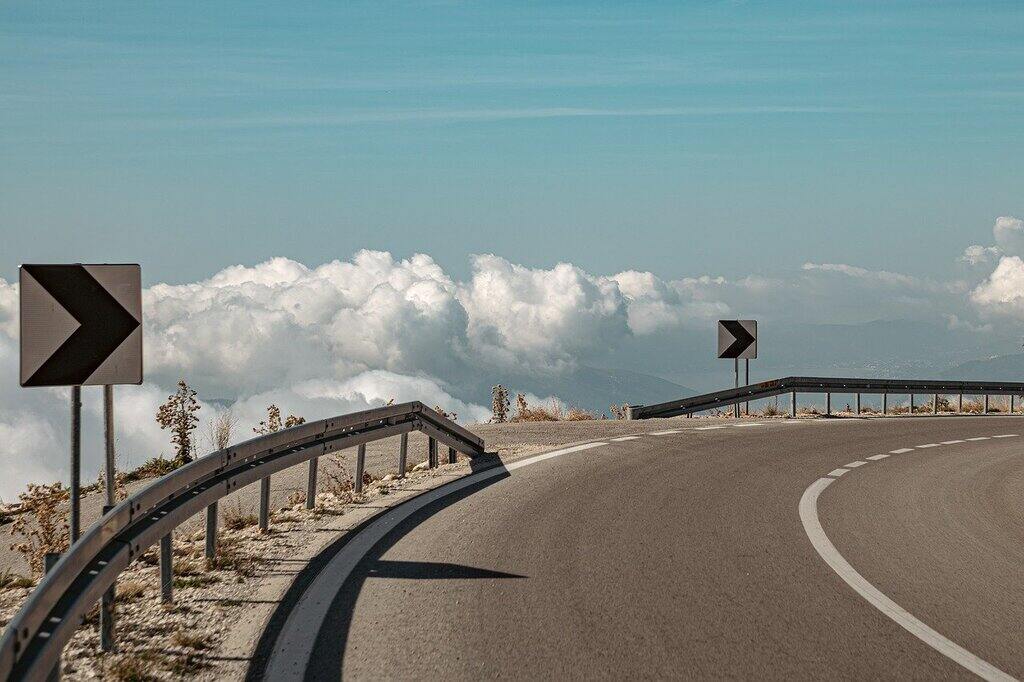
What Factors Influence Your Decision To Rent or Not Rent a Car in Italy?
When considering renting a car in Italy, there are several factors to keep in mind, such as your travel itinerary, budget, and personal preferences.
Let’s take a look at some important considerations!
• Itinerary
If you’re thinking about visiting big cities like Rome or Florence, you probably won’t need a car since there’s great public transportation. However, if you’re planning to explore the countryside or smaller towns, having a car can be super handy!
• Budget
Renting a car in Italy can get a bit expensive, especially in the busy season. Don’t forget to account for gas, tolls, and parking costs, too! If you’re trying to save some money, public transportation might be a friendlier choice.
• Driving Experience
Italy is famous for its spirited driving style and sometimes chaotic traffic, especially in big cities. If you’re not at ease with this kind of driving, it’s best to skip renting a car.
• Convenience
If you have a lot of luggage or want to see off-the-beaten-path sites, renting a car may be more convenient than taking public transportation.
Ultimately, whether or not to rent a car in Italy depends on your situation. Take a look at the factors mentioned earlier, think about the pros and cons, and choose what suits you best.
Which Are the Recommended Locations in Italy To Rent a Car?
While Italy usually boasts a robust and dependable public transportation system, there are specific situations where having a rental car can come in handy.
Let’s explore a few instances when it might be the way to go!
• Tuscany

Tuscany is a region in central Italy that is renowned for its breathtaking countryside, charming hilltop towns, and picturesque vineyards. While it’s possible to get around Tuscany using public transportation, having a car gives you the freedom to explore at your own pace and visit hidden gems.
• Amalfi Coast
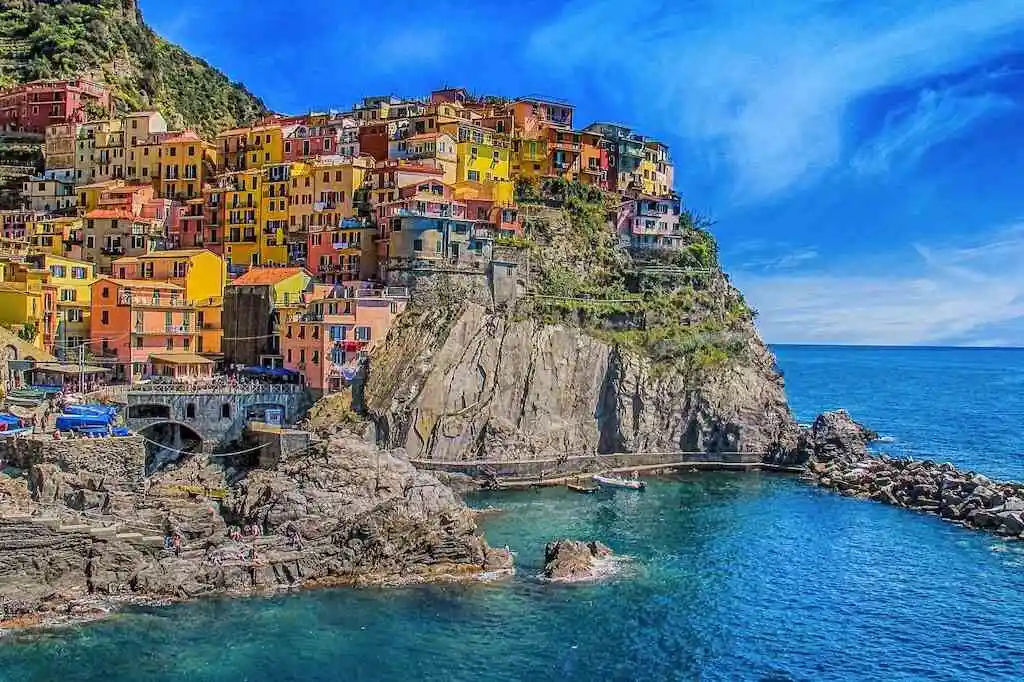
The Amalfi Coast is absolutely gorgeous, and the best way to experience it is by car. When you’re behind the wheel, you’ll be treated to jaw-dropping views as you navigate the winding roads and cliffs. Plus, having your own car means you can easily stop and explore charming little towns along the way.
• The Dolomites

The Dolomites, nestled in the stunning northeast of Italy, are a must-see mountain range. To uncover hidden gems, having a car is key!
• Sicily

Sicily is a fantastic island with plenty of beautiful places to explore. While you can use public transportation, having a car lets you discover the hidden gems of the island and enjoy scenic coastal drives.
• Puglia

Puglia is such a beautiful place in the southern part of Italy! It’s famous for its gorgeous beaches, charming towns, and amazing food. While you can use public transportation, having a car lets you see more of the region and visit those cute little towns that might be hard to reach by bus or train.
When deciding whether to rent a car, it all comes down to your travel plans and what you like. Before you start your trip, think about where you want to go and what you want to see. Once you’ve got that figured out, you can decide if renting a car makes sense for your journey.
Car Rental Requirements for Tourists in Italy
To rent a car as a tourist in Italy, you must meet specific standards. The following are the most prevalent requirements:
• Age
The minimum age to rent a car in Italy is 18, but certain rental firms may demand drivers to be 21 or older.
• Driver’s License
A valid driver’s license from your native country is required. You will require an International Driving Permit (IDP) if your license is not in Italian or English.
• Credit Card
A credit card in your name with enough available credit to cover the rental deposit and any additional fees is required.
• Insurance
Although rental businesses are required by law to provide basic insurance coverage, you may want to acquire additional insurance to cover any damage to the rental automobile or accidents that may occur.
• Passport
To pick up your rental automobile, you must have a valid passport.
• Rental Agreement
You will be asked to sign a rental agreement outlining the terms and conditions of your rental, such as the rental period, rental amount, and any additional fees or charges.
It’s usually a good idea to confirm the rental company’s exact rules and standards ahead of time.
Where Can I Rent a Car in Italy?

In Italy, there are numerous rental car firms, including both worldwide chains and local businesses. Here are some of the most well-known automobile rental firms in Italy.
Rental offices for these companies can be found all over Italy, including major airports, train stations, and city centers.
You can also reserve a rental car online ahead of time to ensure your favorite vehicle and rate.
When selecting a rental car company, compare pricing, read reviews, and research the firm’s policies and fees.
Some businesses may offer lower prices but charge extra fees for things like fuel, insurance, or extra drivers, so read the terms and conditions well before booking.
What Car Should I Rent in Italy?
The finest car to hire in Italy is determined by your individual needs and preferences. Here are a few things to think about while renting a car.
• Size
Because roads in Italy can be narrow and winding, a smaller vehicle may be more practical for seeing the country’s historic villages and cities. A larger automobile, on the other hand, maybe more comfortable if you’re traveling with a group or have a lot of luggage.
• Gearbox
Most cars in Italy have manual transmissions, so if you’re not used to driving one, you should request an automatic gearbox when booking your rental car.
• Fuel Efficiency
Because gas is expensive in Italy, choosing a rental car that is fuel efficient can save you money in the long term.
• Comfort
If you intend to do a lot of driving, you should consider renting a car with features such as air conditioning, comfy seats, and a good sound system.
The Fiat 500, Mini Cooper, and Volkswagen Golf are among the most popular rental car models in Italy. These vehicles are tiny, maneuverable, and fuel-efficient.
If you require a larger vehicle, models such as the Volkswagen Passat or the Renault Grand Scenic may be suitable.
Finally, the ideal automobile to hire in Italy is determined by your demands and tastes. Consider your itinerary, group size, and budget before selecting a rental car.
Steps on How To Rent a Car in Italy

• Determine your car rental requirements
Consider the size of the vehicle, the duration of your rental, and any additional amenities or services you may require (such as GPS or car seats).
• Investigate rental car businesses
Look for companies with a presence in Italy and compare pricing, reviews, and policies.
• Make a reservation
Once you’ve decided on a rental vehicle provider, you can make a reservation online or over the phone. Make sure to provide your travel dates, pick-up and drop-off locations, and any other information the rental car business may ask for.
• Provide the necessary documentation
A valid driver’s license (and an International Driving Permit if your license is not in Italian or English), a credit card in your name, and a valid passport are required when picking up your rental automobile.
• Understand the terms and conditions
Before signing the rental agreement, carefully read the terms and conditions, including the rental length, cost, and any additional fees or taxes.
• Examine the vehicle
Before driving away, inspect the rental automobile to check that there is no existing damage or concerns. Any concerns should be reported to the rental automobile provider right away.
• Return the automobile
At the end of your rental time, return the rental car to the designated location, and be sure to refill the gas tank if necessary by the rental car company.
Scams in Italy Car Rental
While the vast majority of car rental firms in Italy are reliable and honest, rental car scams targeting tourists have occurred.
Here are some frequent rental car scams to be on the lookout for.
• Upgrades You Don’t Want
Some rental firms may try to upsell you to a larger or more expensive vehicle than you requested. Before signing, thoroughly read the rental agreement and confirm the rental cost.
• Damage Claims
To bill you for repairs, certain rental firms may fraudulently claim that you caused damage to the car. Before renting a car, properly inspect it for any existing damage and take photos to document the vehicle’s condition.
• Extra Expenses
Some rental businesses may charge additional fees for items like insurance, roadside assistance, or additional drivers without making them explicit. Before signing the rental agreement, make sure to inquire about any additional expenses.
• Scams Involving Gasoline
Some rental businesses may ask you to return the automobile with a full tank of gas, but the gas gauge may be faulty, resulting in an overcharge for gasoline. Make a note of the gasoline level both before and after the rental term.
To avoid rental car scams, do your homework, thoroughly read the rental agreement, and document the state of the automobile before and after the rental period.
If you come across a scam, notify the rental provider and the proper authorities.
Tips When Renting a Car in Italy

Here are some pointers to remember when renting a car in Italy as a tourist.
• Book ahead of time
It is best to book your rental car ahead of time, especially during the peak travel season. This can help you get a better deal and guarantee availability.
• Select the appropriate size
Consider the size of the vehicle required based on the number of passengers and the amount of luggage. Keep in mind that Italian highways are notoriously tight, so a smaller vehicle may be more practical.
• Get an international driver’s license
While it is not necessary by law in Italy, having an international driver’s license, which may be obtained from your home country’s car association, is highly recommended.
• Learn Italian Driving Laws
Be informed of the special driving rules and regulations in Italy, such as speed limits, road signs, and parking regulations.
• Check the automobile completely
Before driving away with your rental car, properly inspect it for any damage and report any complaints to the rental company.
• Consider getting insurance
It’s a good idea to get extra insurance to cover any potential damage to the rental car, as well as third-party liability coverage.
• Use a GPS or map
Italian roads can be difficult to navigate, particularly in towns with narrow streets and restricted traffic zones. Consider utilizing a GPS or a map to help you navigate.
• Avoid driving during peak hours
If possible, avoid driving during peak hours because traffic might be heavy and parking can be difficult to locate.
You can ensure a safe and enjoyable driving experience while renting a car in Italy by following these suggestions.
Important Traffic Restrictions and Driving Laws When Renting a Car in Italy

When renting a car in Italy, keep the following driving laws and traffic norms in mind.
• Drive on the Right
In Italy, as in the rest of Europe, you must drive on the right side of the road.
• Wear Seat Belts
Seat belts are required by law for both drivers and passengers while driving.
• Speed Limits
Speed limits in Italy are written in kilometers per hour (km/h), although they might vary based on the kind of road and region. Speed cameras are ubiquitous in Italy, and fines for exceeding the speed limit can be severe.
• Use Headlights
Headlights are needed by law when driving on highways and outside of metropolitan areas, even during the day.
• Don’t Use Your Phone
Unless you have a hands-free device, it is prohibited to use your phone while driving.
• Carry Required Documents
When driving in Italy, you must have your driver’s license, rental car agreement, insurance documents, and a form of identification (such as a passport) with you.
• Know the Parking Rules
Parking in many Italian cities can be difficult, and parking rules and limitations can be harsh. Pay attention to signs and markings and look for authorized parking places.
• Don’t Drink and Drive
The legal blood alcohol limit in Italy is 0.05%, and drunk driving penalties are severe.
Before renting a car in Italy, make sure you are familiar with the local driving laws and regulations, since they may differ from those in your home country.
Types of Roads in Italy When Driving
Italy has various types of roads, each with distinct features and regulations, that you will come across while driving. The country has several types of roads, including highways, national roads, regional roads, provincial roads, and municipal roads.
• Autostrada
Autostrada is the Italian term for highways or motorways. These roads are typically tolled and allow for speeds of up to 130 km/h. Autostrade is well-maintained and provides convenient access to major cities and tourist destinations.
• Strada Statale
Strada Statale refers to the national highways or state roads that interconnect various cities and towns across Italy. They are usually toll-free and have slower speed limits compared to autostrade. Strada Statale is a road that is known for its scenic and winding routes, which can provide a more relaxed and leisurely driving experience.
• Strada Provinciale
Provincial or county roads, known as Strada Provinciale, serve as connectors between smaller towns and villages. Smaller highways are characterized by narrow and winding roads, lower speed limits, and less traffic compared to larger highways.
• Zona a Traffico Limitato
In Italy, Zona a Traffico Limitato (ZTL) refers to restricted traffic zones found in historic towns and city centers. Unauthorized vehicles and non-residents are prohibited from accessing these areas. Heavy fines may be imposed for driving without permission.
• Strade Comunali
Municipal roads, also known as strade comunali, serve as a means of transportation between smaller towns and rural areas. The paths can be narrow, winding, and poorly maintained with inadequate markings.
NOTE: To drive safely in Italy, it’s crucial to know and follow the rules and regulations that apply to different types of roads. Adjusting your driving accordingly is necessary. Be alert to road signs, speed limits, and other drivers, and anticipate narrow roads and aggressive driving.
Road Signs in Italy

Familiarity with Italian road signs and markings is crucial when driving in Italy, as they may vary from those in your country of origin.
Below are some frequently seen road signs in Italy.
• STOP
A stop sign is a red octagon-shaped sign with the word “STOP” written in white letters.
• CEDA
A yield sign is a red and white inverted triangle that has the word “CEDA” (yield) written in black letters.
• Speed Limit Sign
Speed limit signs display the highest speed allowed on the road you are driving on, measured in kilometers per hour (km/h).
• NO PARKING
The NO PARKING sign is depicted as a blue circle with a red border and a diagonal line running through it. This sign indicates that parking is not allowed in the designated area.
• NO ENTRY
The NO ENTRY sign indicates that entry is prohibited. This is a red circle with a white horizontal bar, which is commonly used to indicate that entry is prohibited.
• One-way Sign
A one-way sign is a rectangular sign that is white and has a black arrow pointing in the direction of traffic flow.
• ZTL Sign
ZTL sign marks the start and end of a restricted traffic zone, known as Zona a Traffico Limitato.
• Pedestrian Crossing Sign
The pedestrian crossing sign is a yellow diamond-shaped sign that features a black silhouette of a person walking.
• Roundabout Sign
The roundabout sign is a white circular sign with a red border and a black arrow pointing clockwise. It serves to indicate the presence of a roundabout ahead.
• Exit Sign
The exit sign is rectangular with a white background and a green background. It features a black arrow pointing to the right, which indicates an exit from a highway or autostrada.
To drive safely in Italy, observe road signs and markings and familiarize yourself with the country’s driving regulations. Asking for clarification is recommended if you are uncertain about a specific sign or rule.
Italy’s Driving Culture
The driving culture in Italy may differ significantly from that of certain visitors’ home countries. Drivers in Italy can be aggressive and fast-paced, and there may be some frustration and unpredictability on the roads.
Here are some things to remember.
• Honking
Honking is a frequent means for Italian drivers to communicate with other drivers and advertise their presence, but it may also be used to convey dissatisfaction.
• Tailgating
Italian drivers may follow other vehicles rather closely, especially in heavy traffic or on tiny routes.
• Lane Discipline
While highways and other important roads frequently have numerous lanes, some Italian drivers may not adhere to lane discipline as rigidly as in other countries. Drivers weaving in and out of lanes is not unusual.
• Motorcycles and Scooters
Motorcycles and scooters are popular on Italian highways, weaving in and out of traffic. Keep your eyes out for them and exercise caution when changing lanes or turning.
• Pedestrians
Pedestrians have the right of way at crosswalks, but Italian cars may not always stop for them, especially in congested city centers. When driving near people, use caution.
In general, the driving culture in Italy may take some getting accustomed to, but visitors may have a safe and happy driving experience by respecting the regulations of the road and keeping aware and cautious.
Important Terms and Words To Know While Renting a Car or Driving in Italy
Before renting a car or driving in Italy or any foreign country, it’s always a good idea to become acquainted with local driving jargon.
Here are some key words and phrases to remember while renting a car or driving in Italy.
Autostrada – Highway
Benzinaio – Gas/petrol station attendant
Casello – Tollbooth
Cintura di sicurezza – Seat belt
Concessionaria di autovetture – Car dealership
Contromano – Wrong way
Gomma a terra – Flat tire
Limite di velocità – Speed limit
Patente – Driver’s license
Parcheggio – Parking
Semaforo – Traffic light
Senso unico – One-way street
Sorpasso – Overtaking
Strada provinciale – Provincial road
Strisce pedonali – Pedestrian crossings / Crosswalks
Telepass – Electronic toll payment system
Traffico – Traffic
Vigili urbani – Urban police
Zona a traffico limitato (ZTL) – Restricted traffic zone
Diritto di precedenza – Right of way