

Italy houses a range of wildlife, including a few species that can be harmful to humans. Although serious encounters are not very common, il Bel Paese has certain animals that can pose risks if disturbed or handled carelessly. These creatures may be found in forests, mountains, and coastal waters.
This article takes a look at some of the more dangerous animals in Italy and explains why they deserve caution, along with safety tips to help you avoid trouble and respond appropriately if you do encounter them.
Let’s dive in!
ALSO READ: Interesting Native Animals of Italy
Dangerous Animals in Italy To Watch Out For
Here’s a quick look at some of the most dangerous animals in Italy to watch out for, plus a few simple tips to help you stay out of harm’s way.
1. Asp viper

Asp vipers are found all over Italy, except for Sardinia, and they’re not the friendliest of snakes. In fact, they’re responsible for about 90% of snakebites in Italy!
Asp viper venom is pretty potent, stronger than that of the European adder. If an asp viper bites you, you could experience severe pain, swelling, discoloration, vision problems, paralysis, breathing issues, kidney trouble, or even worse, death.
These sneaky vipers can hang out in all sorts of places like woodlands, streams, hills, and mountains. They come in various colors and markings, so they’re not always easy to spot.
When you’re out and about in Italy’s natural areas, it’s wise to keep an eye out for these critters and not mess with them. They like the low mountains and hilly spots, so be cautious when you’re exploring these areas.
How To Prevent Asp Viper Bites
- Avoid areas where asp vipers are known to live, such as warm, sunny, rocky, and vegetated habitats
- Wear protective clothing and footwear when hiking or camping in potential asp viper habitats
- Do not disturb or provoke any snakes that you encounter
- Maintain a safe distance and gradually back away
- Be alert and watch your step when walking or climbing in snake-prone areas
- Use a stick or a flashlight to check for hidden snakes
- Do not put your hands or feet into holes, crevices, or piles of leaves or rocks where snakes may be hiding
- If you have pets, keep them on a leash and do not let them chase or harass any snakes
- If you see a snake, do not try to catch, kill, or handle it; leave it alone and report it to the local authorities if necessary
What To Do When Bitten by an Asp Viper
- Cleanse the bite area gently using soap and water
- Take off rings and watches before any swelling occurs
- Apply ice or alcohol to the bite to help reduce pain and swelling
- Use tape to gently remove any embedded dirt or hairs from the bite
- Keep the affected area in a relaxed position
- Most importantly, seek immediate medical help and get antivenom treatment. Your well-being is our priority
Don’t:
- Don’t cut or suck the wound
- Don’t apply a tourniquet
- Don’t take any medication without medical advice
These are some general guidelines, but you should always follow the instructions of a qualified health professional if you encounter a snake bite. Stay safe!
2. Weever
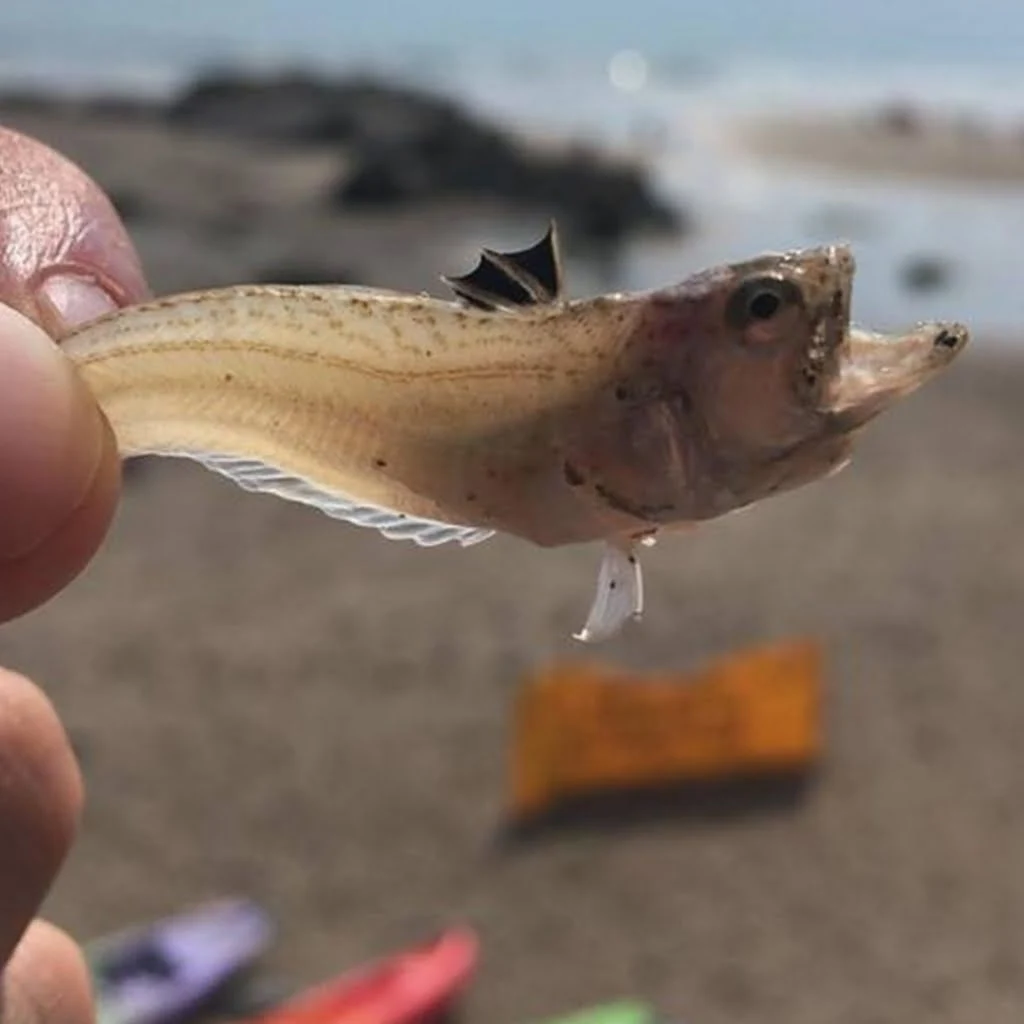
Weever or weeverfish (erroneously spelled “weever fish”), belong to a venomous fish family that finds its home in the sandy or muddy coastal regions, particularly in the eastern Atlantic and Mediterranean waters. Sometimes, they go by the names sea dragons, sea cats, or viperfish.
These little devils have sharp spines on their dorsal fins which can deliver a painful toxin if accidentally stepped on or touched.
You may come across weever fish in diverse locations like the Adriatic Sea, Tyrrhenian Sea, Ligurian Sea, and Ionian Sea. They have a preference for shallower waters, especially during low tide, where they cleverly conceal themselves beneath the sandy substrate, patiently anticipating their prey.
Interestingly, they possess a remarkable ability to survive out of the water for several hours, so it’s entirely possible to encounter them right on the beach.
Their venom can set off intense pain along with uncomfortable side effects like swelling, redness, itching, numbness, tingling, and a sensation of heat.
In rare cases, weeverfish stings can trigger allergic reactions, making it hard to breathe, causing heart problems, lowering blood pressure, and inducing seizures. In the most severe instances, the devilish sting can even lead to a tragic outcome.
How To Prevent Weeverfish Stings
- Avoid walking barefoot on sandy or muddy beaches or in shallow water
- Wear protective footwear like sandals or shoes when in the water
- Shuffle your feet along the bottom to scare fish away before stepping
- Do not touch or pick up dead or dying fish on the shore as they may have venomous spines
What To Do When Stung by a Weever Fish
- Immerse the affected area in warm water for 30 to 90 minutes for relief
- Use tweezers to gently remove embedded spines, being cautious not to break them or leave fragments
- Clean the wound with soap and water, then apply antiseptic and cover with a sterile bandage
- Paracetamol or ibuprofen can help, but avoid aspirin to prevent increased bleeding
- Seek medical help for severe pain, swelling, infection, allergies, or serious symptoms
Don’t:
- Don’t cut or suck the affected area
- Don’t apply a tourniquet
- Don’t take any medication without medical advice
- Don’t add vinegar, urine, ammonia, or other substances to the hot water
3. Barrel jellyfish
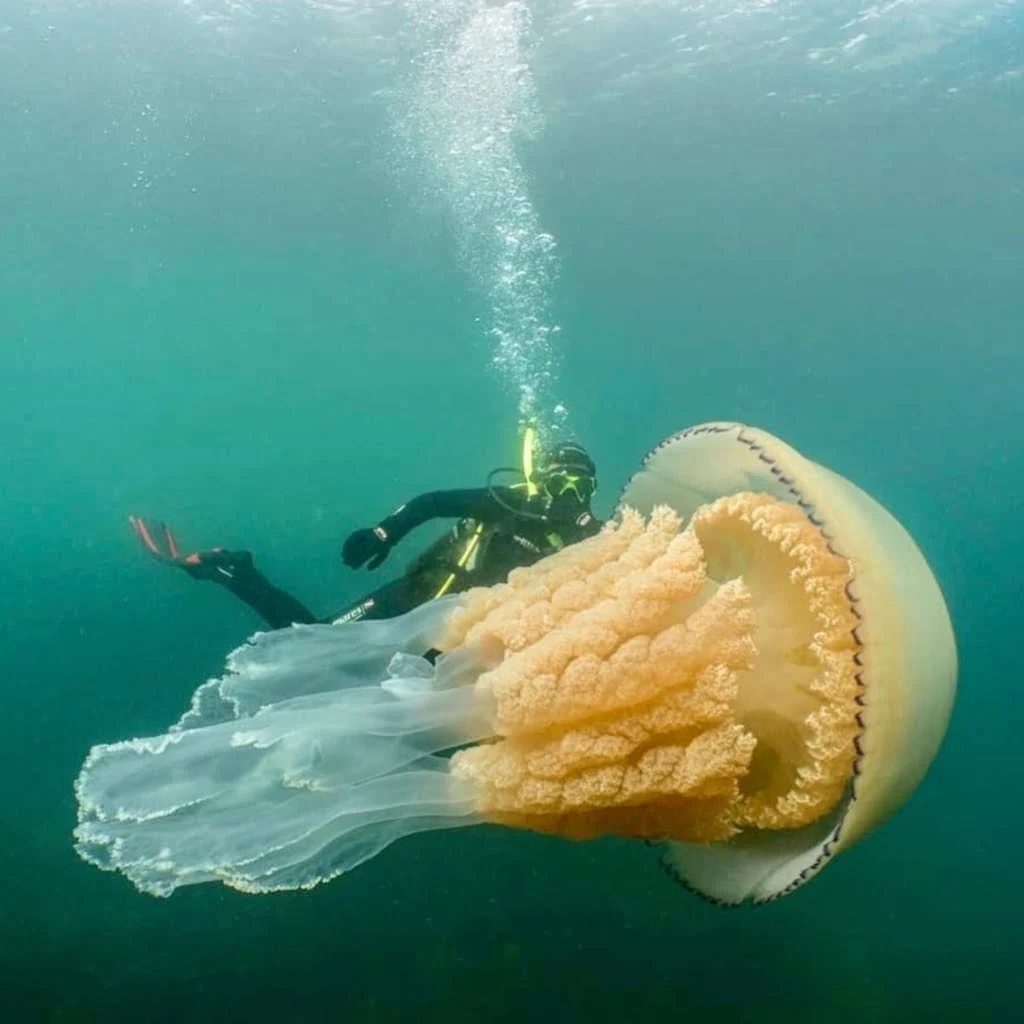
Barrel jellyfish are large jellyfish that can be found in the northeastern Atlantic Ocean and the Mediterranean Sea.
They have a dome-shaped body that can measure up to one meter in diameter and eight frilly arms that have stinging cells.
They feed mainly on plankton and do not actively hunt humans.
Barrel jellyfish are not aggressive and usually avoid contact with humans. However, they can sometimes drift into shallow waters or get washed up on the shore.
Normally, their sting isn’t a big worry for us humans. It might not be the most pleasant experience, and it can leave you feeling a bit uncomfortable and irritable.
However, for some people, it can escalate to more serious symptoms like nausea, vomiting, muscle cramps, or even allergic reactions.
How To Prevent Barrel Jellyfish Stings
- Stay clear of swimming in areas where jellyfish are known to hang out
- Consider wearing protective gear like a wetsuit or rash guard when taking a dip in the sea
- Always avoid touching or handling jellyfish, even if they seem lifeless or dried out
- Pay heed to any warning signs or guidance provided by local authorities or vigilant lifeguards
What To Do When Stung by a Barrel Jellyfish
- Remove any tentacles from the skin with a plastic card or tweezers
- Do not rub or touch the area with your hands, as this can worsen the symptoms
- Rinse the area with seawater or vinegar
- Apply a cold compress or ice pack to reduce the swelling and pain
- Take an antihistamine or painkiller if needed
- Seek medical attention if you have signs of a severe reaction, such as difficulty breathing, chest pain, or loss of consciousness
Don’ts:
- Don’t rub or touch the area with your hands, as this can worsen the symptoms
- Don’t use fresh water, as this can trigger more stinging cells to release their venom
- Don’t apply alcohol, urine, or baking soda to the wound, as these can cause more harm than good
- Don’t ignore the symptoms or delay seeking medical attention if you have signs of a severe reaction
4. Red scorpion fish
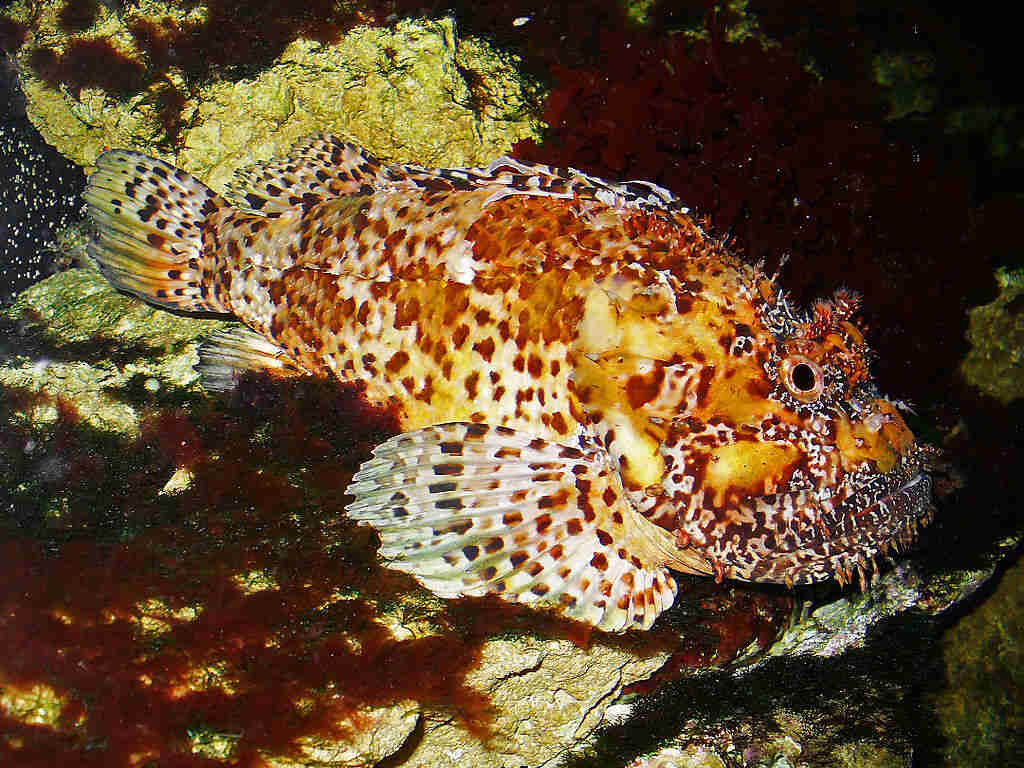

Red scorpion fish, or scorfano in Italian, are venomous fish that live in the Mediterranean Sea, as well as the eastern Atlantic Ocean and the western Indian Ocean.
While these fish are delicious, they are very dangerous. In fact, red scorpion fish are used in many Italian recipes, such as scorfani in guazzetto (scorpion fish with tomato and fennel sauce).
They have spines on their dorsal, anal, and pelvic fins that can inject venom if touched. The venom can cause intense pain, swelling, redness, bleeding, nausea, vomiting, low blood pressure, and in rare cases, death.
How To Prevent Red Scorpion Fish Stings
- Watch your step and keep your hands to yourself as these sneaky fish blend in with their surroundings, making them hard to spot
- Wear gloves and sturdy footwear for added protection while snorkeling or diving in their territory
- If you plan to catch them for a meal, just be extra careful when handling them
What To Do When Stung by a Red Scorpion Fish
- Reach out for help immediately; call the local emergency services or head to the nearest hospital
- Clean the wound by scrubbing it with soap and water, and then rinse it really well with fresh water
- Get rid of any foreign stuff around the wound – like sand or dirt
- Using a tweezer, carefully pluck out any of those pesky spines from the wound
- To ease the pain and neutralize the venom, try soaking the wound in the hottest water you can tolerate for about 30 to 90 minutes
- Take an over-the-counter pain reliever as needed
- Check your vaccination records to make sure your tetanus shot is up to date
Don’t:
- Don’t cut or suck the wound
- Don’t put ice or cold water to the wound
- Don’t apply vinegar or alcohol to the wound
- Don’t eat or drink anything if swallowing is difficult
5. Portuguese man o’ war
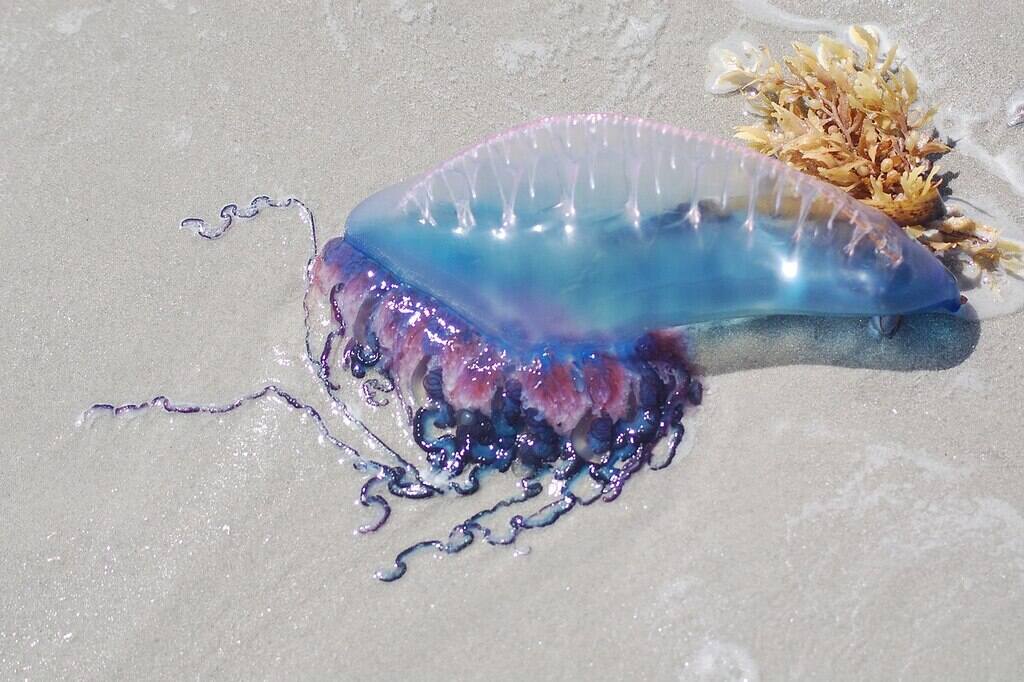

The Portuguese man o’ war (Physalia physalis) is a sea creature found but not very common in the western Mediterranean Sea. More and more sightings are happening each year in places like Murcia in Spain and the Italian island of Sicily.
A Portuguese man o’ war is a marine animal that can deliver a very painful sting with its long tentacles. If you get stung by one, it can be really dangerous, even though it doesn’t happen very often.
People might mistake it for a jellyfish, and that can lead to using the wrong treatments because the venom is different from that of real jellyfish.
How To Prevent Portuguese Man O’ War Stings:
- Don’t swim or surf in places where they’ve been seen or if there are warning signs
- When you’re in the water, wear things like wetsuits, rash guards, gloves, and boots to stay protected
- Don’t touch or pick up things that look like balloons or bags in the water because they could be Portuguese man o’ wars
- If you spot a Portuguese man o’ war on the beach, don’t get close or try to touch it, as it can still sting you even if it looks dead or dried up
- If possible, notify the authorities or lifeguards when you see a Portuguese man o’ war
What To Do When Stung by a Portuguese Man O’ War:
- First, get out of the water as soon as possible and seek help from someone nearby
- Rinse the affected area with saltwater to deactivate the stingers and prevent them from injecting more venom into your skin
- Use thick gloves or tweezers to gently remove any visible tentacles from your skin
- Soak the affected area in hot water (110 and 113 °F or 43 and 45 °C) for 20 minutes to reduce the pain and inflammation
- Use an ice pack wrapped in a towel if hot water is not available
- Take over-the-counter painkillers, such as ibuprofen or acetaminophen, to ease the discomfort
- You can also apply a topical cream or lotion, such as hydrocortisone or antihistamine, to reduce the itching and swelling
- Call for emergency services right away if you have difficulty breathing, chest pain, or shock
Don’t:
- Don’t use freshwater, vinegar, urine, alcohol, or ice, as these can make the sting worse
- Don’t touch the tentacles directly with your hands because they can still sting you
- Don’t scrape the tentacles off your skin with objects like a credit card or razor
- Don’t use fresh water, ammonia, urine, rubbing alcohol, or ice to wash or soothe the sting
6. Marsican brown bear

The Marsican brown bear is a critically endangered subspecies that is found only in the Parco Nazionale d’Abruzzo, Lazio e Molise in Italy. It has an estimated population of just around 50, so check local guidelines and regulations if you’re visiting their area.
Recognized for its large size, male Marsican brown bears weigh about 478 lbs and females around 310 lbs. These bears are omnivores, mainly eating berries but occasionally targeting small animals and livestock.
Despite their calm demeanor and no recorded aggression towards humans, the Marsican brown bear is deemed one of Italy’s most dangerous animals due to its size and strength.
How To Prevent Marsican Brown Bear Attacks
- Bears usually avoid humans, so make noise while hiking to alert bears to your presence and allow them to move away
- Travel in groups as they are less likely to be attacked by a bear than solo hikers
- When with children, keep them close and pick them up if you come across a bear
- Prevent attracting bears by securing food, garbage, and other enticing items in bear-resistant containers or designated areas
- Pay attention to your environment, refrain from using earbuds, and be vigilant for bear signs like tracks or scat
- Carry bear spray
- Observe bears from a distance and do not approach, feed, or try to interact with them
What To Do When Attacked by a Marsican Brown Bear
- Raise your arms and jacket to make yourself look bigger or stand on a rock or stump to appear more intimidating
- Fight back by directing punches and kicks at the bear’s face and using any accessible weapon like rocks, branches, or bear spray when it’s gotten very close
- Slowly back away when the bear stops approaching
Don’t:
- Don’t run as these beasts can chase you down
- Don’t climb a tree as bears are excellent climbers
- Don’t look them in the eye as they might see it as a challenge
7. Common wild boar

Wild boars are large, furry creatures that can weigh as much as 200 kg. They have sharp tusks that can injure humans and damage agricultural crops.
Common wild boars are frequently located in forests, fields, and mountainous areas throughout Italy. These animals can become aggressive, particularly when they feel threatened or are protecting their offspring, posing a danger to people. They are also known to carry diseases such as African swine fever, which may be transmitted to humans and pets.
Recently, wild boars have been venturing into urban areas in search of food, resulting in increased encounters with people and a higher likelihood of accidents or attacks. This has only reinforced their image as dangerous animals in Italy.
How To Prevent Wild Boar Attacks
- Refrain from feeding or getting close to wild boars, especially if they are accompanied by piglets, as they can become aggressive when they need to guard their young
- These creatures can pose a threat if they feel endangered or boxed in, so it’s best to remain calm and gradually retreat when you come across one
- Try to avoid any sudden movements that could irritate or startle the animal
- In regions where wild boars are prevalent, making some noise can help announce your presence and lower the likelihood of a surprise encounter
- If you’re outdoors during dawn or dusk, be particularly vigilant and cautious since wild boars tend to be more active at those times
What To Do When Attacked by a Wild Boar
- Wild boars can be quite aggressive, particularly if they feel threatened, so stay composed
- Attempt to create distance between yourself and the boar by slowly backing away
- If you can, find higher ground or ascend a tree to escape, since boars struggle with climbing
- Alternatively, try to position yourself behind a large object, such as a rock or tree, for protection
- If the boar continues to approach, stand upright, raise your arms, and try to appear larger to intimidate the creature
- Boar tusks are sharp and can inflict severe injuries so if a boar charges, you should prioritize shielding your vital areas by using a backpack or any available item
- In the event that escape is not an option, use any objects nearby (sticks, rocks) to defend yourself and target its face, eyes, or snout
- Wild boars can carry diseases, and injuries from bites or tusks may become infected, so seek medical assistance promptly following an encounter
Don’t:
- Don’t run as running can trigger the boar’s chase instinct
- Don’t turn your back; doing so can make you more vulnerable to an attack
- Don’t try to wrestle or fight it barehanded
- Don’t play dead because doing so doesn’t work with wild boars as it may with other predators
- Don’t ignore warning signs of a boar’s aggression (boar noises, pawing at the ground, or lowering the head) as they indicated that the beast may charge
Run-ins with dangerous animals in Italy are pretty rare, and most of them would rather keep their distance anyway! As long as you stay aware, give wildlife some space, and follow these few simple safety tips, you’ll be just fine. A little knowledge goes a long way — so you can enjoy the outdoors with confidence and maybe even a bit of curiosity along the way. Safe travels!