

We have prepared a guide to Avellino, Italy, for those who are visiting the place for the first time.
So, what about Avellino, Italy?
If you remember The Sopranos from years ago, the TV series made some people look up a never-before-heard Southern Italian town where mob boss Tony Soprano has his family roots – Avellino in the Campania region.
So, what can we say so far about this place other than “the Soprano ancestors lived here”?
Just the basics, I guess (if any). Hey, it’s not as if Avellino is on the top of the bucket list of every tourist visiting Italy. But it is definitely worth a stop, so why don’t you spend a day or two in the place where Tony’s nonno lived before climbing onto that ship?
The Sopranos aside, here’s a handy guide to Avellino, Italy, if you’re planning to visit soon.
Quick Facts & History About Avellino, Italy

- Avellino was founded by the Lombards, a Germanic people who ruled most of the Italian Peninsula from the year 568 until 774.
- The name “Avellino” is derived from the Roman Abellinum, a town that the ancient Hirpini tribe established in a location 4 km. from the present-day Avellino.
- Avellino lies on the Sabato River and in the heart of the Campania Apennines, which prompted some to call it “the Switzerland of the South.” However, the town is largely modern after massive restorations due to numerous earthquakes in its history, the most recent in 1980.
- Avellino is also the name of the capital of the Province of Avellino in the Southern Italian region of Campania. It has a population of 55,000 – 60,000 people.
- It’s surrounded by the Central Apennines, just about 40 – 50 km. east of Naples.
- The Province of Avellino is landlocked, a nice getaway if you’re looking to trade coastal views for scenic natural landscapes and archeological and cultural sites.
- Avellino was struck by the 6.9 Irpinia earthquake in 1980, which completely devastated the whole town.
- It’s noted for many wines, but the best-known is Taurasi, with the Fiano di Avellino, Aglianico, and Greco di Tufo very close behind.
- Apart from wine, Avellino also manufactures food products, woollen cloth, and felt hats. Sulfur is also mined in the area.
Guide to Avellino, Italy: How To Get There

There are three main points from where you can get to Avellino. Here they are.
From Naples –
Avellino is surprisingly close to the outskirts of Naples, so it’s an easy day trip if you’re staying in the region’s capital.
Here are 3 ways to get to Avellino coming from Naples:
• By bus
It takes more or less an hour from Bus Metropark to Tribunale. Buses bound for Avellino leave Naples every 15 mins., starting at 7:30 in the morning. Last trip is at 11:30 PM. Fare ranges from €2.5 to €6 per pax.
• By rideshare
Naples to Avellino by rideshare takes about an hour. Expect to pay €4 to €5 – and only use the best operators around. BlaBlaCar is on top of our recommendations.
• By cab
While hiring a cab is the fastest way to get to Avellino from Naples, only taking about 40 mins, it is also the most expensive. Prepare to shell out €100 to €130 for a one-way trip.
From the Amalfi Coast –
Avellino is just over an hour by car if you’re traveling from the Amalfi Coast. However, if you’re a foreign traveler, getting to Avellino from the beautiful Amalfi will take much more time – or more money.
• By bus
Buses from Amalfi going to Salerno depart hourly, from 9:00 AM to 10:00 PM. Travel time is 1 hour and 15 to 30 mins.
From Salerno, transfer to another bus going to Avellino with a stop in Fisciano. This trip takes 40 mins.
However, please note that Avellino-bound buses from Salerno run on schedule – every 5:15 in the afternoon, 4 to 5 times a week. For details, check with the FlixBus bus operator at +49 30 300 137 300 or visit their website.
Total travel time from Amalfi to Avellino via Salerno is 2.5 to 3.5 hours. Total bus fares range from around €8 to €13 per pax.
• By cab
If you only have a day to spare in Avellino Italy and are in a hurry to get there, hire a cab. This is the easy way, albeit much more costly. Travel time is 50 mins. to 1 hour tops. Taxi fare costs from €110 to €140.
From Pompei –
If you’re visiting Pompeii, Pompei town is just around an hour away by car and about 2 to 2.5 hours by train and bus.
• By train and bus
Train bound for Naples leaves Pompei hourly from 9:20 AM to 10:20 PM. Stop at Napoli Piazza Garibaldi station and transfer to Napoli Metropark bus to Avellino, which leaves every couple of hours.
Expect to pay from €6.50 to €12.50 total fare per pax.
• By cab
A cab will take you from Pompei to Avellino in about 45 mins. to an hour for a fare of about €85 to €115.
11 Best Things To Do in Avellino

There are quite a number of interesting things to do in Avellino and its surrounding areas. Here are some of the best ones.
1. Visit the Avellino Cathedral (Duomo di Avellino)

Duomo di Santa Maria Assunta e di San Modestino or the Avellino Cathedral, was constructed in honor of the Assumption of the Virgin Mary and the town’s patron saint, Saint Modestinus, in the 12th century.
The Romanesque cathedral is situated at the highest point of Avellino, on the hill locals call “La Terra.” It was bombed during World War II and destroyed in the 1980 earthquake. It has been restored since, preserving an altar adorned with a choir and an original 16th-century tabernacle.
You can’t miss the 18th-century frescoes on the ceiling, as well as the 6th-century crypt called the Crypta dell’Addolorata.
Avellino’s Duomo is truly a classic treasure trove of art and faith.
2. Stop by La Fontana dei Tre Cannuóli (Bellerofonte Fountain)
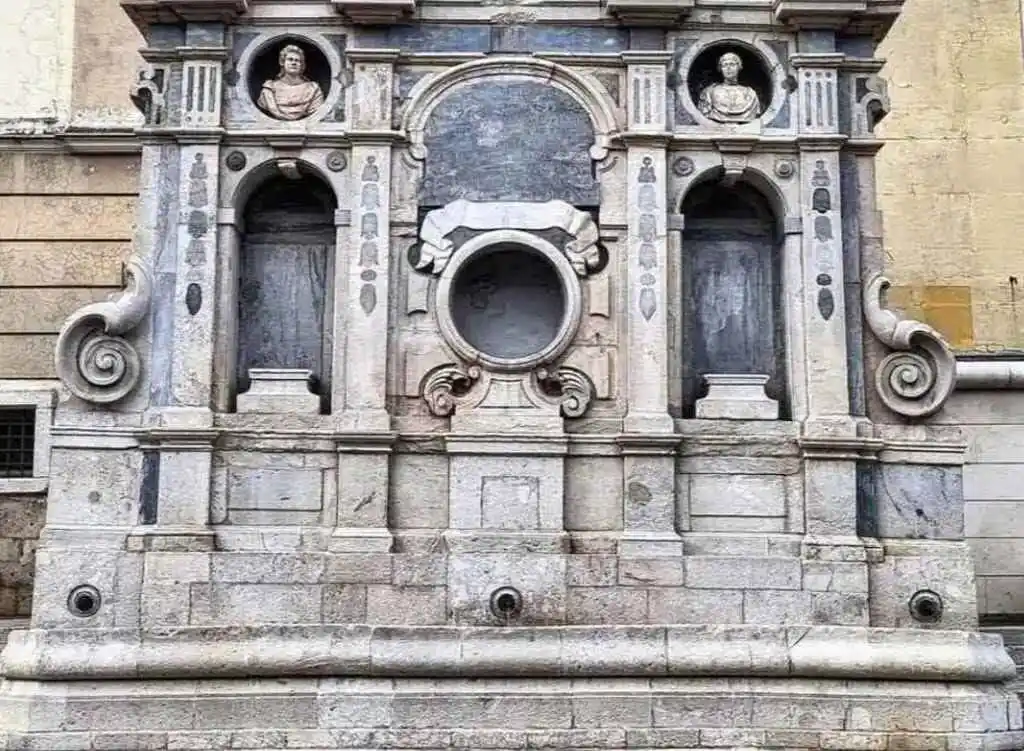
La Fontana dei Tre Cannuóli or the “Fountain of the Three Mouths” took its name after the three mouths where water comes out. It is also called the Bellerofonte Fountain due to the presence of a sculpture of Bellerophon in the act of killing the Chimera.
This Baroque-style fountain is located in the historic center of Avellino, so you can’t miss it as you stroll around town.
3. Admire the Clock Tower of Avellino (Torre dell’Orologio)

Torre dell’Orologio di Avellino is the town’s symbol – like London’s Big Ben, but on a smaller scale.
Overlooking Piazza Amendola, Avellino’s Clock Tower is a sight to behold, especially at night – and it’s visible all over the town. However, this Baroque-style monument can only be admired from afar – onlookers can’t go inside or on top.
The tower has collapsed three times since its construction in the 17th century. The last time it did was in 1980, when Avellino was hit by a destructive earthquake. It has undergone reconstructive restoration since.
This landmark frequently serves as a meeting place for the Avellinesi, thanks to its perfect location. And its bells still announces the time to the townspeople.
4. Get a dose of history and art at the Bourbon Prison
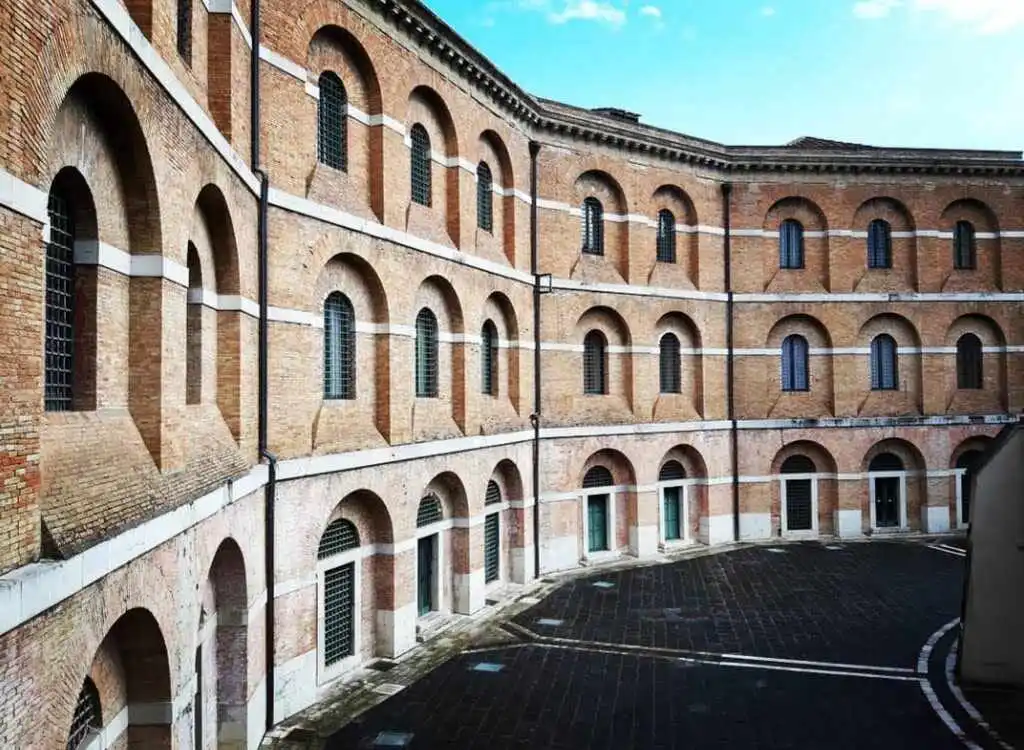
Located on the Corso Vittorio Emanuele II in the center of Avellino, Bourbon Prison was built on the orders of King Ferdinand I. It was constructed from 1824 until its completion in 1839.
The prison is in the shape of a hexagon which was thought to guarantee constant control of the detainees. Visiting this place is one of the best things to do in Avellino.
Bourbon Prison ceased serving as a penal institution in 1987. The complex has undergone a major transformation since and is now open to the public.
Now called Monumental Complex Bourbon Prison, this former detention is now a cultural center complete with gardens, event spaces and, a restoration workshop. It houses the Irpino Museum, which is must-visit if you want to learn about the Avellinese culture.
5. Partake in Avellinese cuisine
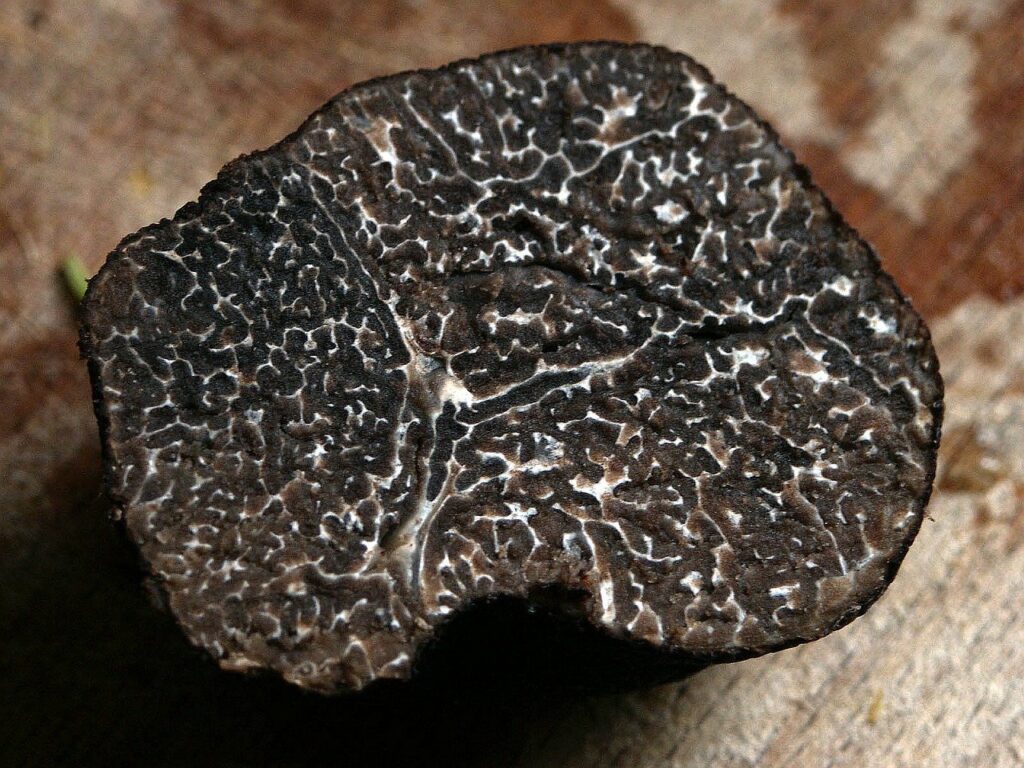
Every list of things to do in any town or city should always be highlighted with the local cuisine.
Avellino Italy is such a beautiful, clean, and friendly town that welcomes its visitors with cultural attractions and, of course, good food!
Avellinese cuisine consists mostly of pasta combinations of mushrooms, cheese (you must try their famous stretched-curd cheese called caciocavallo), truffles, and meat products such as hams and sausages.
If you’re like many who are gaga over cucina italiana, then delve in!
6. Conclude every meal with Benedictine Bitterness
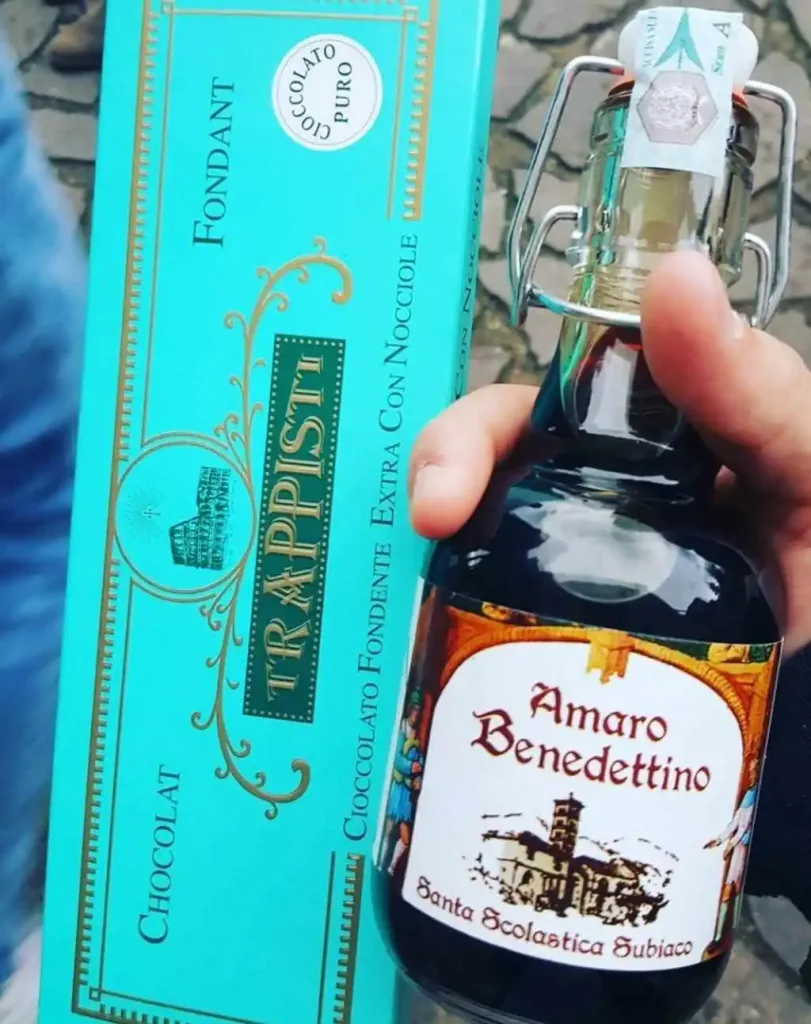
All Avellinese food should be accompanied by one of Avellino’s famous wines, to be followed by the Benedictine Bitterness – the herb liquer made by the monks of the Abbey of Montevergine, a product of centuries of Benedictine research and tradition. Every Avellinese meal is best concluded with one.
For cafés, bars, pizzerias, and gelaterias, you can find them literally on every corner in town!
7. Delight in pandoro, mostaccioli, sfogliatella, and other dolci buoni – worry-free!

Photo by stu_spivack | Flickr
Speaking of food…
There’s a pasticceria in Avellino that’s literally for everyone – and I mean everyone, celiacs included.
Pasticceria Cose Da Mat is a paradise for all, gluten-sensitive and otherwise. It’s probably the only pastry shop of this kind in town – but in a place like Avellino, it’s already a miracle.
8. See the remains of the Lombard Castle of Avella – Avella, Italy

Half an hour from the town of Avellino, you’ll find a place where you can breathe history and which has remained largely untouched. This is one of the best places to visit in Avellino (Province).
Castello Longobardo di Avella – “the Lombard Castle of Avella” – is a quiet castle to explore and great for picnics as well. Perched on a hill above the town of Avella, this is a perfect place from which to admire the overwhelming beauty of Campania’s landscape – from the majestic Vesuvius to the gorgeous coastlines of Naples.
Nearby is a Roman amphitheater, a complex housing Roman tombs, and other ancient wonders. This is a must-excursion whether you’re into these stuff or not.
You need to hike some to get there, so make sure to wear comfortable shoes.
9. Ride a funicular to the Sanctuary of Montevergine – Mercogliano, Italy
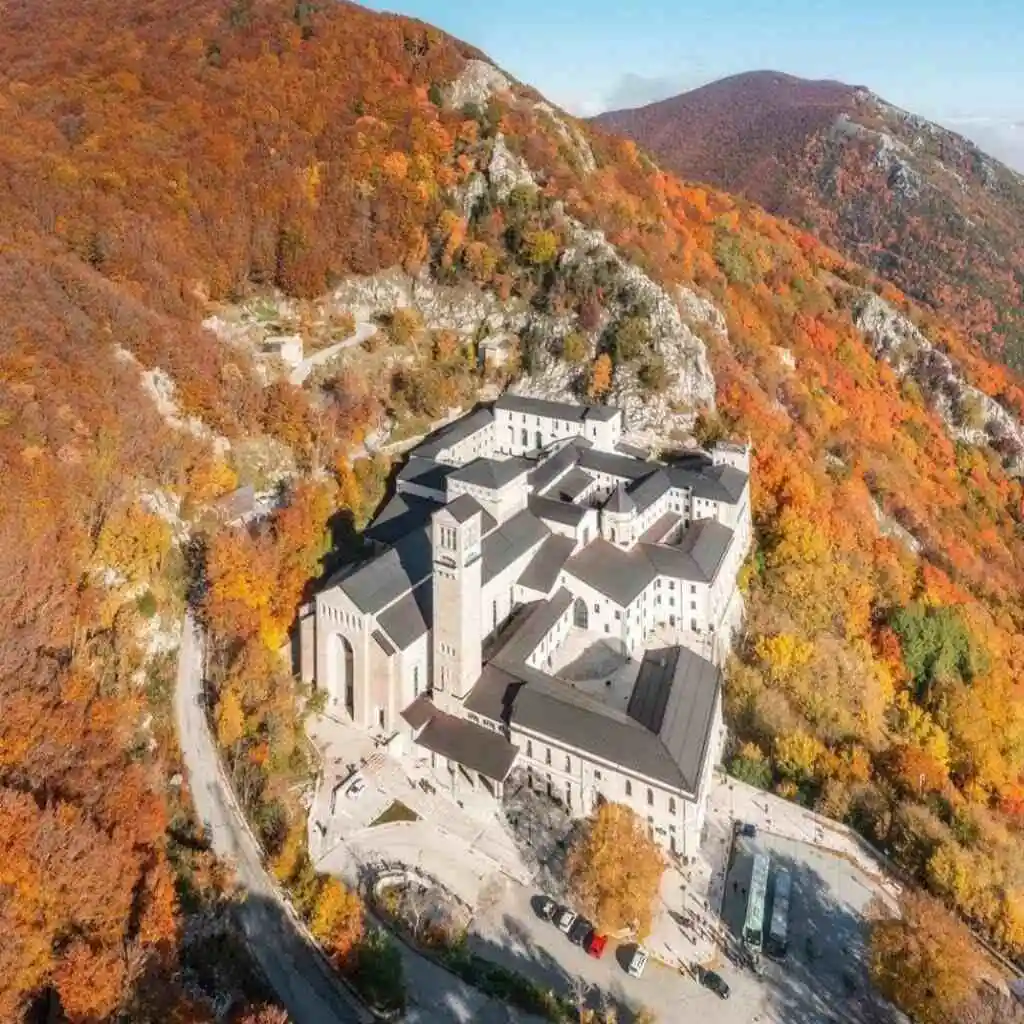
Pilgrims flock to the Santuario di Montevergine in Mercogliano, a Benedictine abbey housing a 13th-century Byzantine icon of a black Madonna. It was also home to the Holy Shroud for a short period from 1939 to 1946.
This mountain sanctuary, also known as Partenio, features a basilica constructed in 1961, a small museum and a gift shop, as well as a restaurant. While you’re there don’t forget to grab a bottle or two of Benedictine Bitterness!
Montevergine is perched some 4,000 ft. high up on a limestone massif that’s part of the Apennine chain, offering spectacular views of Avellino below. It can be reached from the town of Mercogliano by the Montevergine funicular or you can drive up the mountain.
You can also check out the ruins of a temple of Cybele nearby while you’re up Montevergine. These are among the top attractions in Avellino.
10. Relax and immerse in nature at Campo Maggiore – Mercogliano, Italy

Campo Maggiore is one of the best places to visit in Avellino. It is located some 4,600 feet above sea level, not far from Montevergine. This natural park is one of the most spectacular from a naturalistic and landscape point of view.
Crossing the paths of the Partenio Regional Park, Campo Maggiore offers an expanse of unspoiled nature. It’s a splendid stretch of flat green in the middle of the mountains, placed higher up than the Sanctuary of Montevergine.
There is also a picturesque lake for that complete fairy-tale feel. It’s a great place for relaxation and immersion in nature.
Campo Maggio’s dirt roads make great mountain biking trails. But for those who want a real challenge, reaching the camp on foot is a fun option.
11. Delight in Avellino’s famous wines and fantastic vineyards

Enjoying its fabulous wines is one of the top things to do in Avellino. No guide to the area is complete without leading visitors to its famous produce.
The province of Avellino is home to Fiano di Avellino, Aglianico, Greco di Tufo, and Taurasi – four world-renowned Italian wines.
Winemaking in Avellino originated some 3,000 years ago, when the Greeks brought ancient grapes to the territory. Since then, people in the area have been growing Irpinia vines and producing wine for personal consumption.
But what sets Campania’s marvelous wines apart from all the many others?
Well, it is something that’s been determined some 2,000 years ago, after Mt. Vesuvius‘ eruption that blanketed the clay-rich Campanian soils with volcanic ashes. The resulting tuff created a type of clay-tuffa, giving these wines their distinct characteristics.
If you want a taste of some of Avellino’s famed wines (and you must!), head to the towns of Cesinali, Montemiletto, and Taurasi. They’re all just a stone’s throw away from the Avellino town center – 10 to 25 minutes tops.