
Curious about what makes Italy so famous? Discover the charming reasons that attract tourists year-round to this boot-shaped country. Let’s put together the list for you!
Italy extends a welcoming invitation through its lively culture, celebrated Baroque-style architecture, and captivating historical sites. With artists whose timeless masterpieces date back to the Pre-Renaissance era, along with mouthwatering traditional cuisines and a diverse gastronomic scene, Italy promises to delight your senses.
The nation’s rich offering of opera, literature, films, and high-end fashion only enhances its charm, creating a magnetic pull for travelers to revisit time and time again.
When you think of Italy, what images fill your mind? Is it the aroma of pasta, the allure of coffee, the genius of Leonardo da Vinci, the latest fashion trends, iconic landmarks, or the sleek luxury cars? Maybe it’s all of these and more!
To help you paint a clear picture of Italy as you plan your trip, let’s explore these exciting aspects to look forward to.
What Is Italy Famous For? – Top 27 Things We Associate with Italy
So, what are the top things associated with Italy? Let’s discover them.
1. Vespa

When exploring Italy, one of the fundamental aspects to consider is transportation. A ride on the adorable Vespa, often hailed as the world’s cutest scooter, is an experience you can’t miss.
Vespa is a fancy scooter that was created in 1946 by a top Italian motorcycle maker called Piaggio & Co., SpA. It is well-known for its adorable and stylish appearance, along with its popularity in Italy. Vespa’s engine is protected by a cowling that keeps it clean, a flat floorboard gives the driver a secure footing, and there’s a front fairing that shields against the wind for a safe ride.
Who can resist the appeal of a Vespa? It’s sure to add an unforgettable touch to your travels! Starting from the classic 1953 film Roman Holiday to the recent 2021 Pixar movie Luca, the iconic Vespa scooter has gained widespread recognition beyond Italy and become a global icon.
Now, are you ready for some “vespare“?
- RELATED POST: 9 Best Italian Scooter Brands the World Loves
2. Luxury cars
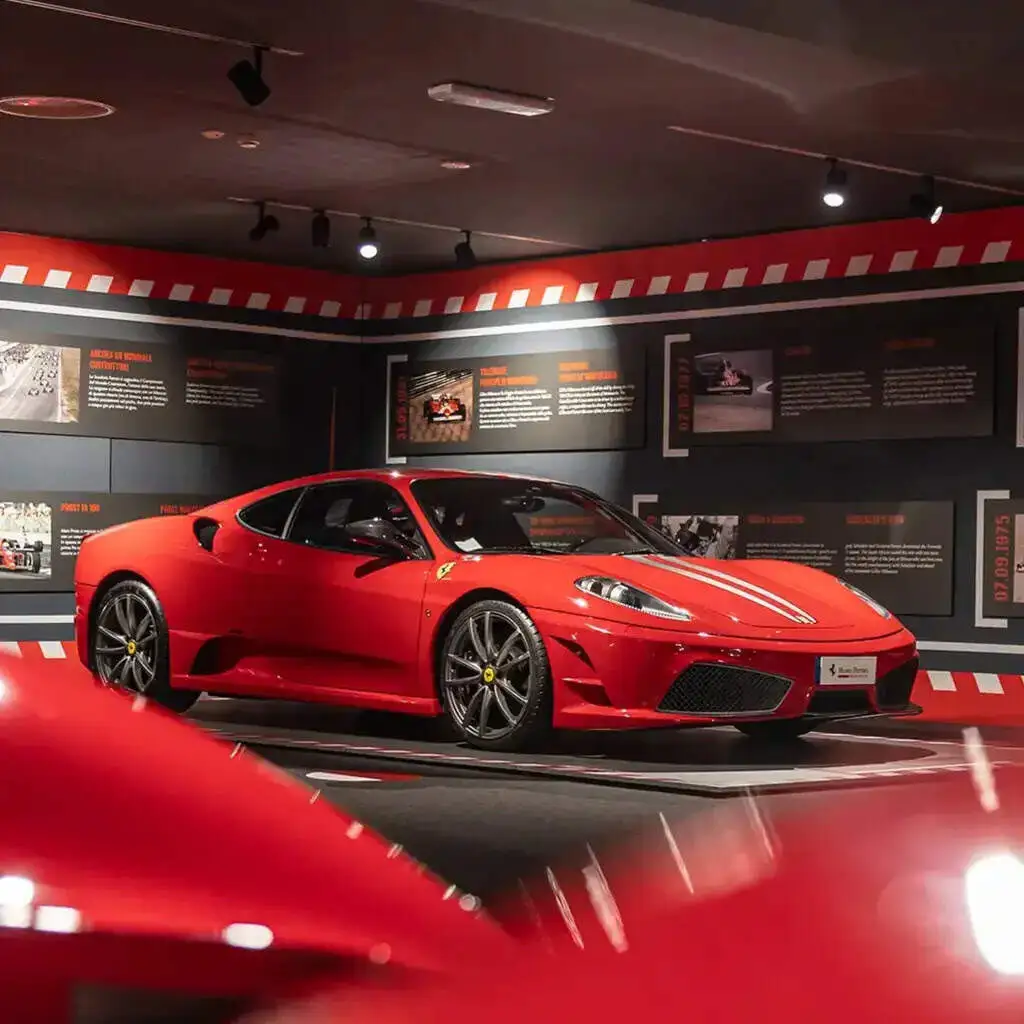
Experience the pinnacle of luxury with one of Italy’s finest automobiles by your side. Imagine cruising in the iconic Red Ferrari Sports car or the elegant silver blue 1963 250 GTO. Alternatively, picture yourself behind the wheel of a Lamborghini Veneno Roadster, or exploring the premium offerings from Maserati. Perhaps you’ve always dreamed of owning an Alfa Romeo?
If owning these “boys toys” seems out of reach due to budget constraints, don’t worry. You can still immerse yourself in the world of luxury cars by visiting the museums established by these prestigious manufacturers.
Ferrari boasts two captivating museums, one in Modena and another in Maranello. Bologna is home to not one, but two Lamborghini museums, and you can even find displays related to Ducati Motors there. You’ll also discover various luxury car museums in Turin, providing an opportunity to admire automotive excellence up close.
3. Dante Alighieri
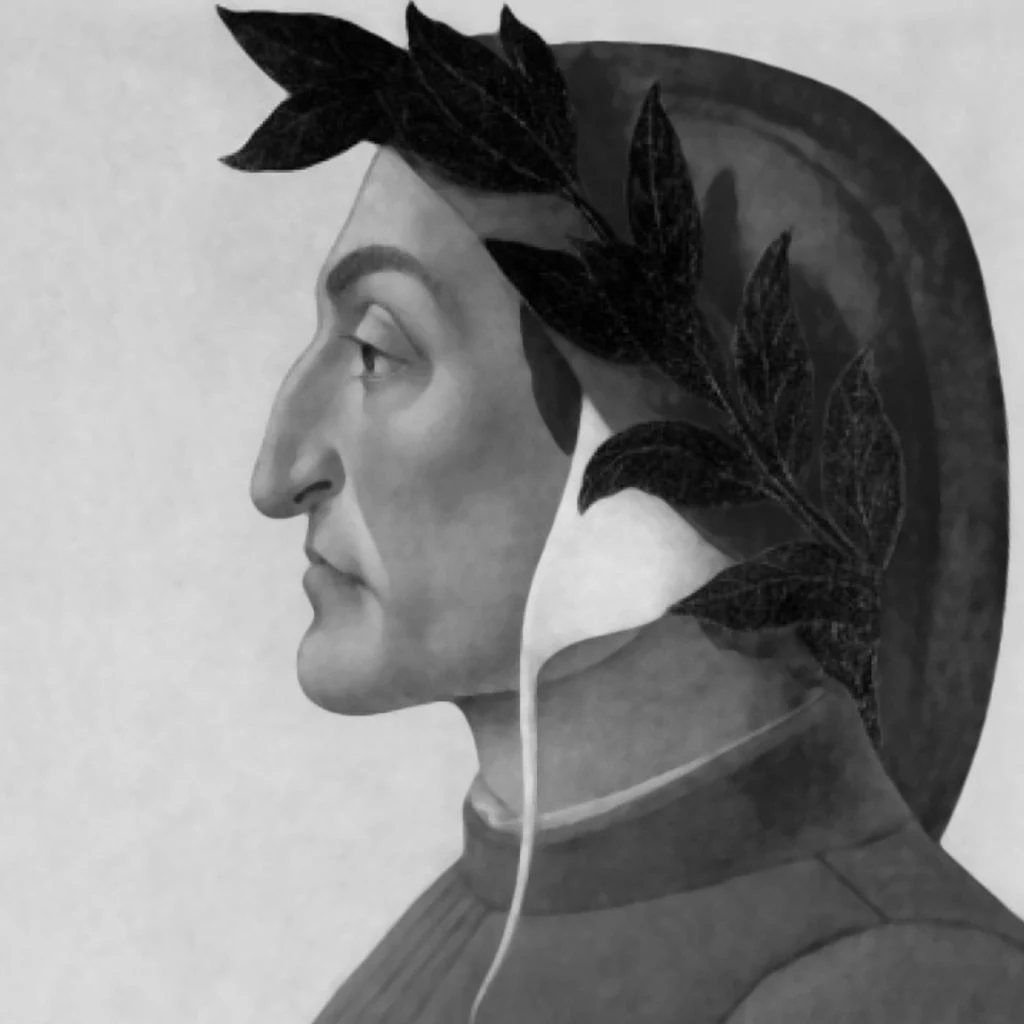
When discussing prominent figures in rich Italian literature, Dante Alighieri is the first name that springs to mind. A highly renowned Italian poet from the Middle Ages, Dante’s legacy persists strongly even in contemporary times.
Dante played a pivotal role in shaping the Italian language itself. His most renowned narrative poem, “The Divine Comedy” (also referred to as “La divina commedia”), is hailed as one of the finest literary works in both Italian literature and globally. This masterpiece is split into three segments, tracing the journey of a character (often identified as Dante himself) through Hell, Purgatory, and Paradise.
Yet, Dante’s contributions extended beyond poetry; he also left his mark as a writer and philosopher.
4. Leonardo da Vinci

Italy has produced a plethora of great artists and painters, but there’s one name that truly shines: Leonardo da Vinci. This extraordinary Renaissance figure left an permanent mark on the world of art as a painter, sculptor, engineer, architect, and scientist. Da Vinci’s influence on both Italian and Western art remains undeniable.
Over his 67 years of life, da Vinci crafted countless masterpieces that continue to enchant audiences today. Some of his most iconic works include the Mona Lisa and The Last Supper paintings, which showcase his impeccable attention to detail and mastery of light and shadow.
Beyond his artistic genius, da Vinci was also blessed with a brilliant and inventive mind, conceptualizing flying machines, armored vehicles, and futuristic devices well ahead of his time. His scientific investigations and experiments paved the way for breakthroughs in optics, anatomy, and mechanics, making him one of history’s most celebrated and respected figures and one who is mostly associated with Italy.
5. The Renaissance
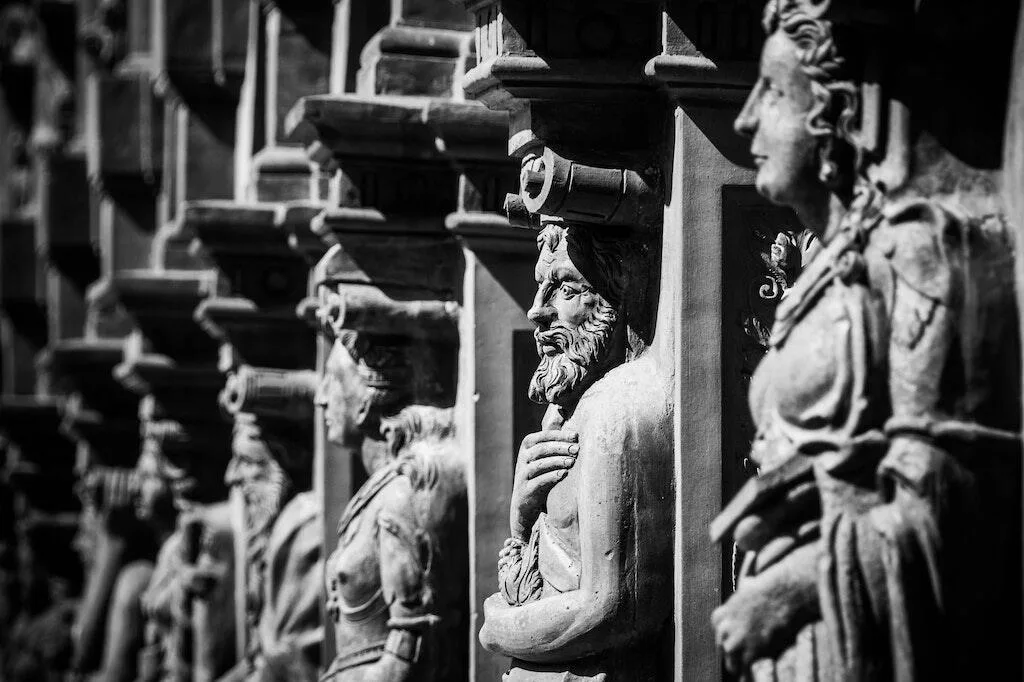
The Renaissance is a crucial part of Italy’s history — a time when creativity surged and new knowledge flourished from the 14th to 17th centuries.
Italy was a hub for art, science, and innovative ideas. Leonardo da Vinci, Michelangelo, and Raphael crafted astounding art to capture the world’s beauty. Great minds like Galileo Galilei and Nicolaus Copernicus reshaped our view of the universe, becoming “science superstars.”
This era revived ancient Greek and Roman ideas, fueling fresh thinking through studying old texts.
The Renaissance underscores Italy’s intellect, incredible art, and renewed curiosity about the world. Italy proudly shares its remarkable ideas and talents with the world!
6. Opera
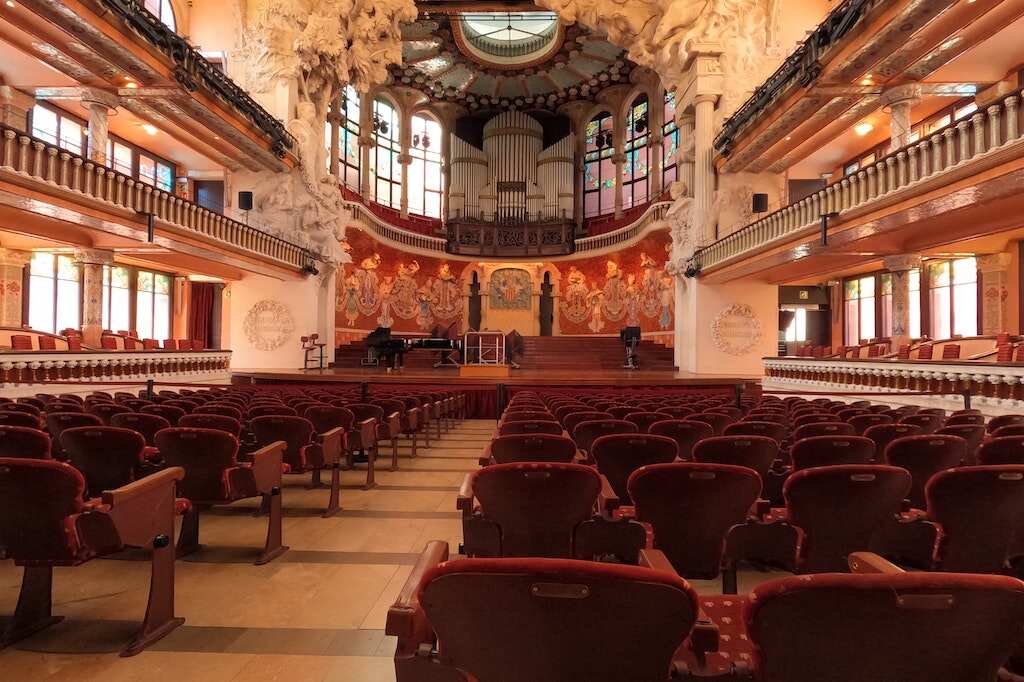
Italian opera is a part of the country’s incredibly rich culture, as it is the birthplace of opera itself. So, it’s no wonder that many famous Italian actors, actresses, musicians, and especially opera singers in the world started due to their love for operas.
Two of the most famous Italian opera singers are the King of the High Cs – Luciano Pavarotti and Andrea Bocelli. Some of the famous Italian opera pieces include “Europa riconosciuta,” composed by Antonio Salieri, which premiered in Milan’s famous opera house, La Scala, with a capacity of 1800. Another well-known opera piece is “Norma,” composed by Vincenzo Bellini.
The act of a whole family coming together to watch, enjoy, and be entertained by someone’s performance, combining drama with singing and dancing accompanied by background musicians and visual arts, is something that people of all ages love to do, especially in Italy.
7. Leaning Tower of Pisa

You won’t get lost in Italy, thanks to its numerous significant landmarks. Some are so large that even seeing them in photos will immediately make you think of the country.
That’s exactly what the 60-meter tall Leaning Tower of Pisa does. The tower’s foundation had issues during construction, causing the structure to tilt. However, this tilting actually added to the distinct charm of the magnificent architectural design of the bell tower, which was originally built in 1173.
The Tower of Pisa is a well-known symbol associated with Italy, particularly the city of Pisa.
8. Vatican City

The Vatican is an independent state, but it’s not difficult to associate it with Italy since it belongs to the same landmass. It’s a famous attraction not only for tourists of Roman Catholic beliefs but also for those who appreciate magnificent architecture.
The Vatican, with its famous landmarks, is composed of Gothic, Roman, and Baroque styles, creating a picturesque view that’s hard to resist.
From St. Peter’s Square to St. Peter’s Basilica, the Sistine Chapel, and the Vatican Museums, you just can’t get enough, and a day or two might not be sufficient for a complete tour.
9. The Pope and Catholicism

Italy has a rich historical connection with the Pope and Catholicism, dating back to the era of the Roman Empire, when Catholicism first took hold in the country.
The Pope serves as the leader of the Catholic Church and resides in Vatican City. Yet, His Holiness isn’t solely focused on religion; he also addresses crucial matters like global issues and following the right path. Both the Catholic Church and the Pope have significantly influenced Italy’s culture, art, and political landscape.
Their presence remains substantial in Italy’s culture and social dynamics, solidifying them as integral symbols closely woven into the fabric of the nation.
10. Fashion

Italian fashion is a globally renowned phenomenon that epitomizes elegance, luxury and ingenuity. The boundless creativity of Italian designers manifests in the unmatched quality of their designs, characterized by exquisite craftsmanship and the use of high-end materials.
It’s hard to imagine anyone who hasn’t heard of world-famous luxury fashion brands hailing from Italy such as Prada, Gucci, or D&G – whose products include bags, dresses, shirts, and pants. Other luxurious Italian clothing and shoes are also cherished items among many people worldwide including those made by Armani, Bvlgari, Valentino, or Versace.
Milan stands tall as the capital of Italian fashion industry with its unique sense of style setting trends across the globe.
11. Gladiators

Gladiators, ancient fighters from Rome, participated in combat within arenas to amuse onlookers. While many were slaves or war captives, some free individuals also joined as gladiators. These battles involved clashes against fellow gladiators, wild beasts, or even executions, forming a favored spectacle in ancient Rome.
The deep connection between Italy and gladiators arises from the genesis of gladiatorial combat in the Roman Republic, which then intertwined with Roman culture.
The renowned Colosseum in Rome stands as a significant illustration of an arena where these games unfolded. Although the practice extended across the Roman Empire and beyond, the Italian origin and its integral role in Roman society have solidified the association.
12. The Colosseum and Other Roman ruins

From the still-standing and renovated landmarks, emerge historical and iconic Roman ruins that are famously associated with Italy’s rich heritage.
The Colosseum in Rome stands as one of the best-preserved Roman ruins in Italy. It has become one of the country’s most famous tourist attractions, not to mention its appearance in many famous movies such as Gladiator (2000), the 2015 James Bond film Spectre, and the docudrama titled Rome: Arena of Death or Colosseum: Gladiator’s Story by BBC Television and France 2.
Another renowned set of Roman ruins can be found in Pompeii. The town’s ruins were caused by the Plinian eruption of Mt. Vesuvius. The devastating impact of the eruption, which exposed the ruins, was historically preserved through excavation under 4-6 meters of ash. Pompeii’s archaeological site holds UNESCO World Heritage status.
Herculaneum, which is often overshadowed by Pompeii, went through a similar fate when Mt. Vesuvius erupted in 79 AD. It offers remarkably preserved ruins, including well-preserved buildings and even wooden furniture.
Aquileia is also worth noting. This ancient Roman city in northeastern Italy boasts well-preserved ruins including a basilica, impressive mosaic floors, and a large forum.
And down in Sicily, Syracuse has some really neat stuff, too! There’s a Greek theater, a Roman amphitheater, and the “Ear of Dionysius” – a cave that’s famous for its impressive acoustics.
13. Duomo di Firenze

In the charming Tuscan city of Florence, numerous tourist attractions await, but none shine quite as brightly as the Duomo di Firenze. This famed Florence Cathedral isn’t merely an architectural marvel; it’s also counted among Italy’s largest Roman Catholic churches, and perhaps even one of the world’s.
The cathedral’s mesmerizing dome, skillfully envisioned by Brunelleschi, features breathtaking stained-glass windows and a vibrant facade that leaves visitors absolutely spellbound. Meanwhile, the bell tower was crafted by none other than Giotto himself.
Referred to as Santa Maria del Fiore, the Duomo’s splendor can be spotted from afar, standing as a beacon of Florence’s abundant artistic and cultural legacy, enticing millions of tourists each year.
With its intricate detailing and captivating backstory, it’s an absolute must-visit for anyone exploring Florence, or even Italy. Despite its age, this remarkable cathedral stands tall, a truly iconic landmark at the heart of Florence.
14. Duomo di Milano
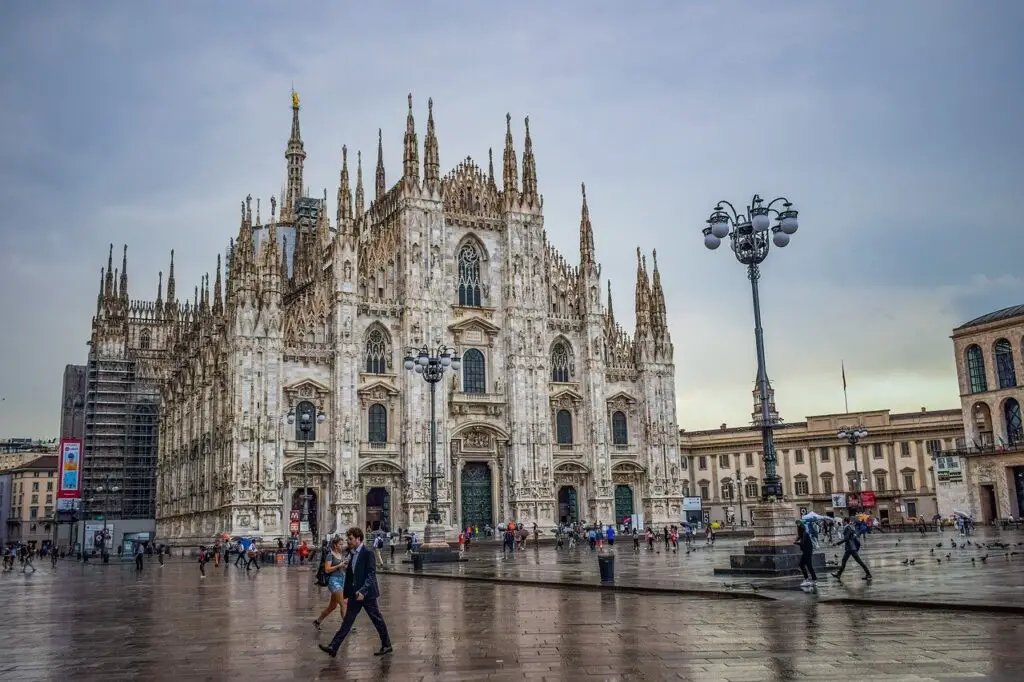
The Milan Duomo Cathedral, once a fashionable symbol of Italy, is now a must-see landmark. It took nearly seven centuries to build, from 1386 to 1965, due to changes in the workforce. But all that effort was worth it, as it’s now a top tourist spot. The cathedral’s gothic architecture is a real highlight when you’re exploring the city.
Inside, the Milan Duomo Cathedral can hold up to 40,000 people. Its interior showcases vibrant biblical scenes. The best part? You can even climb up to the ceiling for a breathtaking view of Milan!
15. Pizza

What aspect of Italian cuisine isn’t associated with the country? While Italy might not have a standardized pizza recipe in its cuisine, one thing is certain: when we say “pizza,” it’s Italian.
Pizzas in Italy mainly vary based on their place of origin. The traditional and perhaps the most famous one is pizza Napoletana, a recipe from Napoli created by Raffaele Esposito, a Neapolitan pizzaiolo, back in 1889.
Pizzas can have thick or thin crusts, round or square shapes, and include tomato sauce and toppings like cheese, pepperoni, ham, black olives, bellpeppers, and mushrooms, among others.
16. Pasta

Given the immense richness of Italian cuisine, a significant portion of its associations revolve around food. Following closely, we have the diverse world of pasta.
Italian pasta, spanning from classics like spaghetti and fettuccini to linguini and lasagna, presents an expansive and boundless array. The interplay of these options with premium Italian olive oil and other high-quality components yields a delightful fusion.
Just like pizza, the joy of savoring pasta transcends borders — you can relish it both in Italy and nearly any corner of the globe!
17. Espresso

For tourists and those who simply love the boot-shaped country’s rich cuisine, a cup of espresso will surely remind you of Italy.
Espresso is the coffee brewing process that originated in the country. It is much more concentrated than normal brewed coffee, which is why it serves as the base for cappuccino, caffè latte, or macchiato. Unless you prefer the single shot, which offers a much more concentrated taste than your caffè Americano.
A shot or two of espresso will certainly chase away your drowsiness!
18. Tiramisu

If your love for good eats goes hand in hand with a love for coffee, then chances are you’re already quite familiar with the irresistible delight that is tiramisu.
This coffee-flavored Italian dessert has become so famous that it’s almost a sin if you haven’t tasted one. It is composed of ladyfingers soaked in coffee and layered with a whipped mixture of egg yolks, mascarpone cheese, flavored with cocoa, and sugar for sweetness.
Tiramisu is one of the world’s most famous desserts, originating from Italy, and it’s best paired with the finest Italian wine you can get. The name “tiramisu” actually translates to “pick me up,” which is quite fitting!
19. Gelato

Gelato means so much more than just frozen dessert in Italy. It’s a symbol of their amazing culinary skill and love for quality ingredients. Going way back to ancient Rome, gelato is now a big part of Italian life.
Gelato is super creamy and full of flavor! They make it by churning it slower and adding less air compared to regular ice cream. This makes it thick and smooth, letting the flavors really stand out.
You’ll find gelato shops – known as “gelaterias” – all over Italy. They have lots of flavors, from classics like stracciatella and pistachio to unique ones like olive oil and balsamic vinegar. It shows how creative and inventive Italy can be.
20. Pesto

Pesto sauce, a classic Italian favorite from the Liguria region, stands out with its vibrant green color and unique flavor. The famous “pesto alla Genovese” version brings together fresh basil leaves, pine nuts, garlic, olive oil, Parmesan, and pecorino cheese, all combined skillfully to create a fragrant and smooth sauce.
The strong connection between pesto sauce and Italy comes from the country’s rich food history and the sauce’s vital role in authentic Italian dishes. This sauce easily goes with pasta, adds a tasty twist to bread, enhances veggies, and fits into various recipes, capturing the genuine essence of Italian cooking by using fresh ingredients and a skillful mix of flavors.
Pesto’s popularity and its deep ties to Italy have made it a well-recognized Italian sauce worldwide, loved and used across different global cuisines.
21. Italian wine

Italian wine offers a flavorful tour across the nation, representing Italy’s strong legacy. With a winemaking history that goes way back, Italy is renowned globally for its outstanding wines.
Every region showcases distinct grapes and flavors, such as Tuscany’s Chianti and Veneto’s Prosecco. Italian wine nicely matches local food and culture, and family-run wineries keep traditions alive.
Whether you’re a wine fan or simply interested, Italian wine links you to Italy’s lively history and varied customs.
RELATED POSTS:
- 10 Best Affordable Italian Wines: A Guide to the Best Value Bottles
- The 8 Best Italian White Wines
- The 8 Best Italian Red Wines
- 10 Best Italian Brands for Wine Glasses
22. Gondola

The gondola is a truly iconic symbol of Italy, especially Venice. It’s not just a boat; it represents the rich history and unique charm of the country.
These graceful boats, often navigated by skilled gondoliers in striped shirts, evoke images of romantic journeys along Venice’s winding canals. The gondola’s sleek design, with its distinctive curve and ornate decorations, harkens back to centuries of Venetian culture and craftsmanship.
Today, while gondolas are still used for transportation, they also serve as a symbol of Italy’s enchanting waterways and timeless allure.
23. Befana

Befana is a traditional figure in Italian folklore and is often referred to as the “Christmas Witch.” She is associated with the celebration of Epiphany, which falls on January 6th. The story of Befana is deeply ingrained in Italian culture and is a beloved part of the country’s Christmas traditions.
According to the legend, Befana is an old woman who travels on her broomstick during the night between January 5th and 6th. She enters homes through chimneys to deliver gifts and treats to children, much like Santa Claus. Befana is said to bring gifts to well-behaved children, while leaving coal, onions, or garlic for those who have misbehaved during the year. The gifts she brings often include small toys, candies, and sweets.
Befana’s strong association with Italy comes from her special role in the hearts of Italian families and her central position in the country’s Christmas celebrations. Adding a touch of magic and excitement to the festivities, she stands as a lasting symbol of Italian holiday traditions.
24. Cornicello

The cornicello, or cornetto, also known as the “Italian horn,” is a vital symbol in Italy. This twisted horn-shaped amulet is worn to ward off the “evil eye” and bring good luck. Its roots trace back to ancient Mediterranean civilizations and it’s intertwined with Italian folklore and superstitions.
Resembling an animal’s horn, the cornicello signifies strength and protection across cultures. Italians believe it safeguards against negative energy, jealousy, and misfortune linked to the evil eye — a harmful gaze thought to bring bad luck.
Typically crafted from coral, silver, gold, or red coral for added potency, the cornicello is worn as jewelry like necklaces, bracelets, or keychains. Beyond its protective role, it embodies Italian heritage, uniting people from different regions as a symbol of luck and culture.
25. Ancient Rome

Italy is famous for its connection to Ancient Rome and the Roman Empire, which left behind some really big footprints. The empire, founded in 27 BC by Augustus Caesar, rapidly became a major power in the Mediterranean. Spanning around 1,000 years, it’s one of history’s longest-lasting empires, peaking around 117 AD in territorial expansion.
While the Roman Empire faded, its influence remains visible in Italy. Roman philosophers, writers, and scientists have left a lasting impact. Notably, iconic structures like the Colosseum showcase the era’s architectural marvels. Rome, Italy’s capital, stands as a prime city where this historical grandeur is evident.
26. Fascism
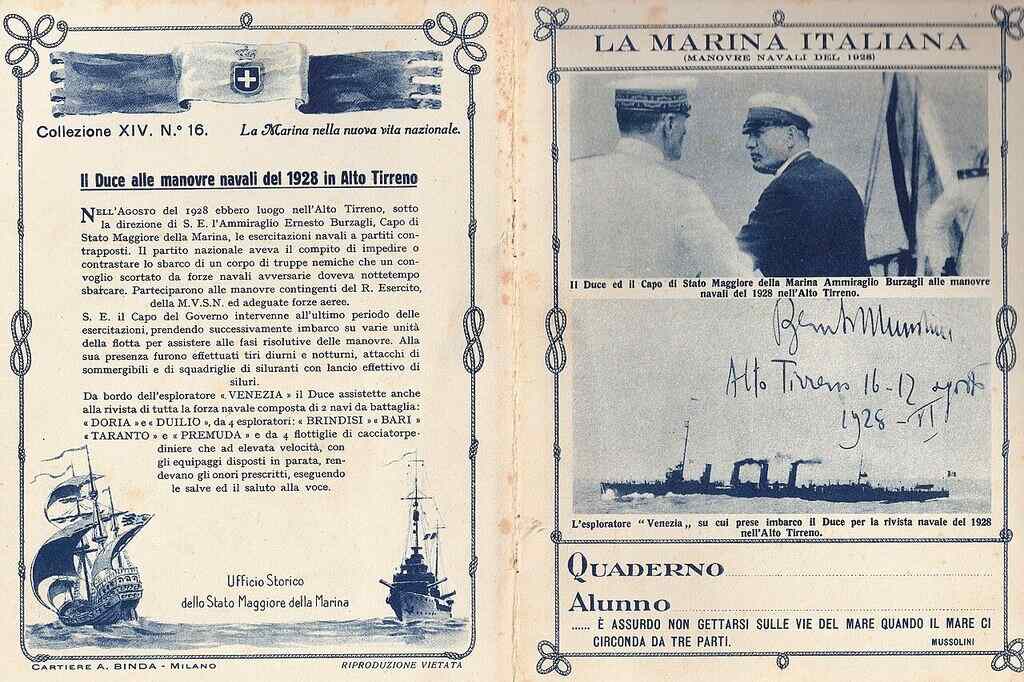
Fascism, linked to Italy’s past, was a political ideology led by Benito Mussolini in the early 20th century. It pushed for strong central power, nationalism, and authoritarianism.
In the 1920s and 1930s, Italy experienced Fascist rule with censorship, suppression of opposition, and Mussolini’s cult of personality. The regime aimed to revive Italy’s greatness, focusing on military strength and expansion.
Fascism’s history in Italy is controversial due to its alignment with Nazi Germany during World War II, causing suffering and damage. Post-war, Italy rejected Fascism, embracing democracy to move away from that era.
Today, Fascism reminds us of extreme ideologies’ risks and the need to uphold democracy. While part of Italy’s history, the country now promotes diversity, tolerance, and democratic values.
27. The Mafia

There’s no getting around it – when we think of the word “Mafia,” Italy, especially Sicily, is the first thing that pops into our heads. The Mafia, a network of organized criminal groups with roots in Italy, is strongly linked to the country due to its historical beginnings and significant impact on Italy’s history, culture, and image.
Originating in 19th-century Sicily, the Mafia started as a secretive protector of local communities but transformed into an illicit syndicate involved in activities like extortion and smuggling. From Southern Italy, the Mafia’s reach extended globally, including the Italian-American Mafia in the United States.
The Mafia’s presence has often been viewed as a hidden yet powerful force affecting Italy’s society and politics, perpetuating negative stereotypes of crime and corruption. Ongoing attempts to counter its sway by implementing legal and societal reforms are in progress. Nevertheless, its deep ties to Italy’s past persist, influencing how people view the relationship between crime, culture, and the country’s history.